Background
The taphole is the only passage for slag and iron discharge. Its channel wall simultaneously contacts 1450–1550℃ hot metal, slag and high-pressure gas. During normal tapping, iron velocity and temperature are high, and the mud sleeve and channel lining bear a combined thermal, mechanical and chemical load. The taphole condition directly determines the stability and safety of casting operations.
Failure Mechanism
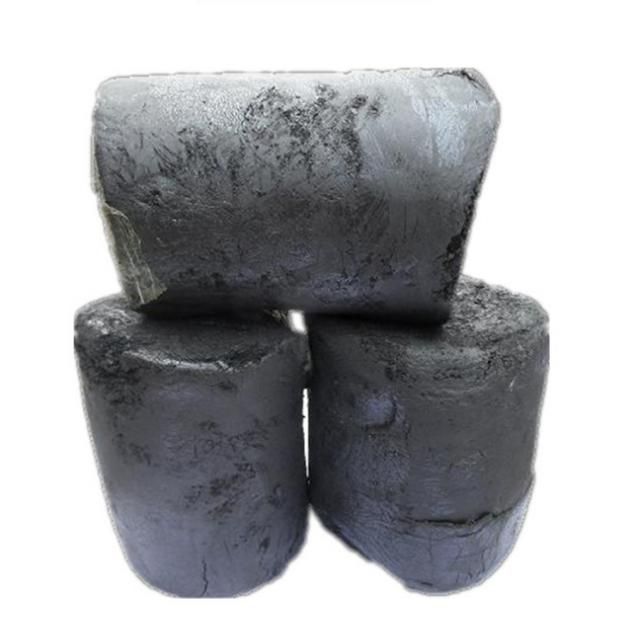
Slag/iron scouring: at each tap, high-temperature slag and iron scour the channel wall at high velocity, progressively widening the channel into a "bell mouth." Mud sleeve damage: during plugging, anhydrous taphole mud is repeatedly compressed under high temperature and pressure, causing the sleeve to crack and break at edges, leading to poor sealing and run-outs. Thermal cycling: in the tap—plug—tap cycle, the channel wall repeatedly heats and cools rapidly, developing thermal-shock cracks. Gas leakage: as the channel widens, high-pressure gas leaks along joints and gaps, further enlarging the channel and burning surrounding refractories.
Consequences
A widened taphole destabilizes casting: plugging becomes difficult, taphole depth fluctuates, and in severe cases run-outs or taphole burn-through occur, threatening furnace safety and crew safety while raising mud consumption and repair workload.

 WeChat · 17513376789