Magnesia Castable
Other Monolithic Refractories

Magnesia Castable

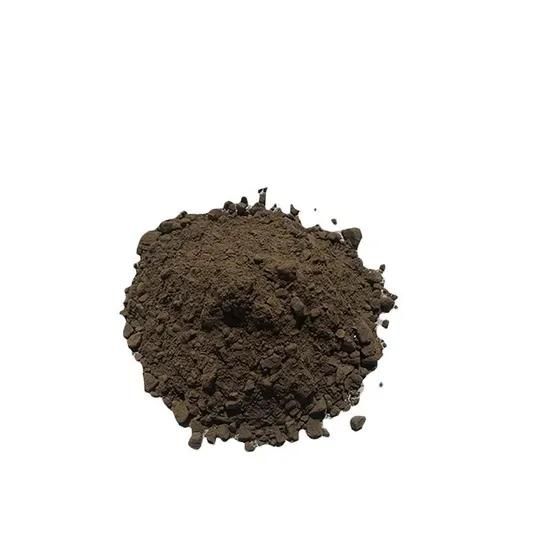
Magnesia castable is made from sintered magnesia as aggregate and fines, offering high MgO content, strong resistance to basic slag and high refractoriness. It is ideal for steel ladle slag lines, LF refining furnaces and tundishes.

Technical Data

MgO content≥ 85%
CaO content5%~8%
Bulk density≥ 2.8 g/cm³
CCS (110℃×24h)≥ 20 MPa
CCS (1500℃×3h)≥ 45 MPa
MOR (1500℃×3h)≥ 6 MPa
Refractoriness≥ 1770℃
Service temperature≥ 1650℃(渣线可至 1700℃以上)

Description

Magnesia castable is a high-magnesia basic unshaped refractory made from sintered (or fused) magnesia as aggregate and fines, bonded with polyphosphate, magnesium sulfate or sodium silicate binders. With high MgO content and low impurities, it reacts with basic slag to form high-melting-point compounds, giving significantly better slag resistance than alumina-silica materials. It is the preferred unshaped refractory for basic service conditions such as steel ladle slag lines, ladle refining furnaces and tundishes.

Key Features

  • Excellent resistance to basic slag: reacts with CaO-Fe₂O₃ basic slag to form a high-melting protective layer, extending slag line life.
  • High refractoriness: ≥ 1770°C, suitable for high-temperature steelmaking conditions.
  • Good high-temperature strength: dense structure at high temperature, resistant to molten steel scouring.
  • Good thermal shock resistance: adapts to temperature fluctuations during charging and tapping.
  • Flexible installation: castable, ramming or gunning to suit various on-site conditions.
  • Tailorable formulation: customized by steel grade, slag basicity and service conditions.

Typical Applications

  • Casting and repair of steel ladle slag lines.
  • Linings and slag lines of LF ladle refining furnaces.
  • Refractory parts of VOD, RH refining equipment.
  • Working and permanent linings of tundishes.
  • Basic parts such as EAF hearth and taphole.

FAQs

Why is magnesia castable suitable for steel ladle slag lines?

The slag line is exposed to high-basicity slag; alumina-silica materials are easily attacked. MgO in magnesia castable reacts with CaO and Fe₂O₃ in slag to form high-melting spinel-type minerals, creating a dense protective layer that significantly extends slag line life.

How to choose between magnesia and high alumina castable?

Choose by slag system and conditions: magnesia (basic) castable for basic slag and high-temperature steelmaking; high alumina material for neutral or acidic conditions. Wrong material selection accelerates erosion.

What is the maximum service temperature?

Standard grades serve at ≥ 1650°C; slag line and other high-temperature parts can be customized above 1700°C.

Can the formulation be customized for my ladle?

Yes. Henan Songrui New Refractory Materials Co., Ltd. supports custom magnesia castable formulations by steel grade, slag basicity, ladle life target and installation method, with on-site technical guidance.

Get a Quote & Technical Support

Leave your details and we will reply within 24 hours about this product

Related Products

Magnesia-Alumina Spinel Castable
Other Monolithic Refractories

Magnesia-Alumina Spinel Castable

Magnesia-alumina spinel castable is an alkaline monolithic refractory made of fused magnesia and alumina-magnesia spinel, offering excellent slag resistance and thermal shock resistance for steel ladle and hot metal ladle working linings.

Chemical composition MgO≥55%

Learn More →
Anhydrous Taphole Mud
Other Monolithic Refractories

Anhydrous Taphole Mud

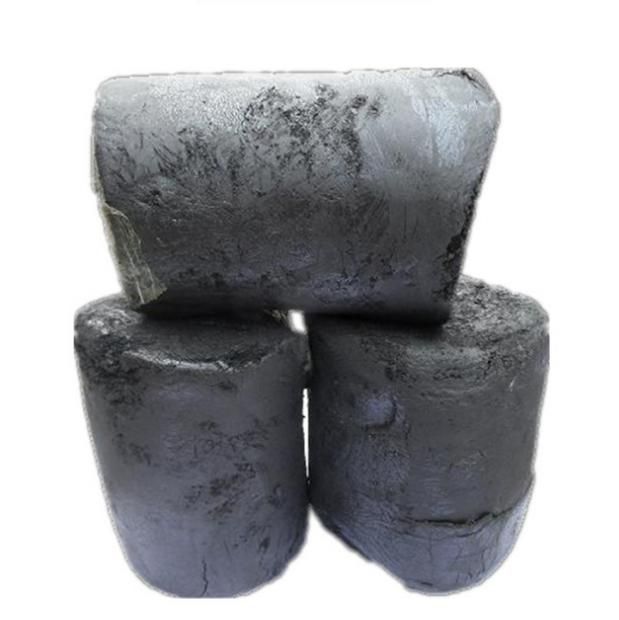
Anhydrous taphole mud is made of corundum, silicon carbide and coke fines with resin binder for blast furnace taphole sealing. It sinters fast, plugs densely and resists molten iron and slag scouring, ideal for large and medium blast furnaces under high pressure.

Al₂O₃ content30%~45%

Learn More →
BF Taphole Ramming Mix
Other Monolithic RefractoriesIron & Steel Metallurgy

BF Taphole Ramming Mix

BF taphole ramming mix is applied by semi-dry ramming without formwork, Al₂O₃≥70%, 1600℃ max service. Layered ramming gives density and enables rapid hot repair.

Max. Service Temp.1600℃

Learn More →
Dry Vibratable Mix
Other Monolithic RefractoriesNon-ferrous Metals

Dry Vibratable Mix

Dry vibratable mix is placed by vibration without water or baking. MgO≥90%, 1750℃ max service; it self-sinters on first heat into a dense working lining.

Max. Service Temp.1750℃

Learn More →
17513376789
客服微信二维码客服微信 · 17513376789