Iron Ladle Castable
Other Monolithic RefractoriesIron & Steel Metallurgy

Iron Ladle Castable

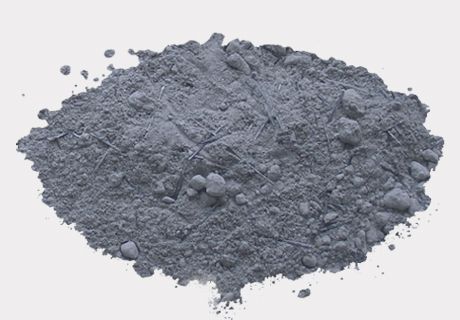
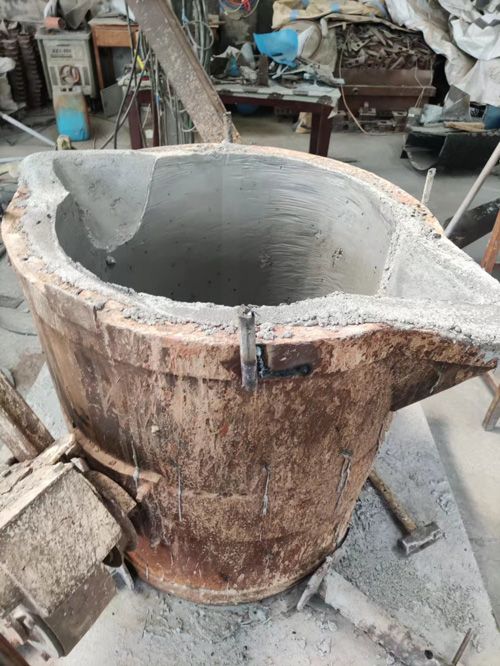
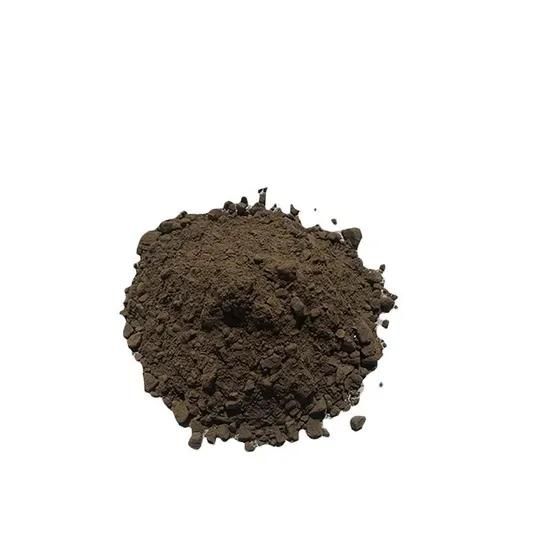
Iron ladle castable is a low-cement monolithic for iron ladle linings. Bauxite or corundum aggregates with Al2O3 of 60-85% are selected by slag-line conditions. Low-cement bonding and integral casting resist slag attack, thermal shock and metal penetration.

Technical Data

Al₂O₃ content60% – 85%(按工况)
Bulk density (110℃×24h)≥ 2.55 g/cm³
CCS (1100℃×3h)≥ 60 MPa
MOR (1100℃×3h)≥ 8 MPa
PLC (1350℃×3h)± 0.5%
Thermal shock (1100℃ water)≥ 8 次
Service temperature≥ 1450℃

Description

Iron Ladle Castable

Service Conditions

Iron ladle lining loss comes from three directions. First, thermal shock: an empty ladle shell can cool below 200°C, and pouring hot metal instantly heats the surface above 1300°C, a swing of over 1000°C. Second, slag attack: blast furnace slag and desulfurization slag contain CaO and FeO that react with SiO2 in the castable to form low-melting phases and dissolve the surface layer by layer. Third, mechanical erosion: the impact of metal streams and repeated build-up and release of slag shells at the slag line tear at the embrittled surface.

Three Stages of Wall Erosion

Wall damage is a dissolution-penetration-spalling cycle. Hot metal and slag first dissolve the bonding phase and fine particles, roughening the surface. Metal then penetrates along open pores, creating a transformed layer. When new minerals formed inside differ in thermal expansion from the original structure, spalling occurs. Raising Al2O3 alone cannot extend life indefinitely; porosity and matrix design matter equally.

Low-Cement Design

The common solution is a low-cement castable (LCC). On the aggregate side, Al2O3 is selected between 60% and 85% according to slag-line severity, with dense bauxite or corundum coarse particles and optimized particle grading for maximum packing density. In the matrix, microsilica and reactive alumina micropowder form a needle-like mullite network around 1300°C, locking the matrix together - the key to hot strength and slag resistance. Calcium aluminate cement is limited to 3-6% for early strength without excessive CaO that lowers slag resistance.

Slag Line vs. Ladle Bottom

The slag line is the life-limiting zone. With highly variable basicity of desulfurized hot metal slag, slag-line material needs higher erosion resistance, commonly achieved by raising Al2O3 with small additions of Cr2O3 or spinel, trading some thermal shock resistance for lower erosion rate. The bottom follows different logic: long metal contact and poor heat dissipation require penetration resistance and overall stability, with a thickened integral lining and partitioned casting around porous plugs.

Installation and Baking

Three points dominate: water addition, vibration time and the baking curve. Adding more than 0.5% above the recommended water raises porosity and accelerates slag attack; under-vibration leaves honeycomb defects at corners. Baking has two dehydration and phase-change peaks near 110°C and 350°C; too fast heating causes explosive spalling. A rate of about 25°C/h up to 600°C with a hold is recommended before final heating. Many "short life" problems trace back to baking rather than the material itself.

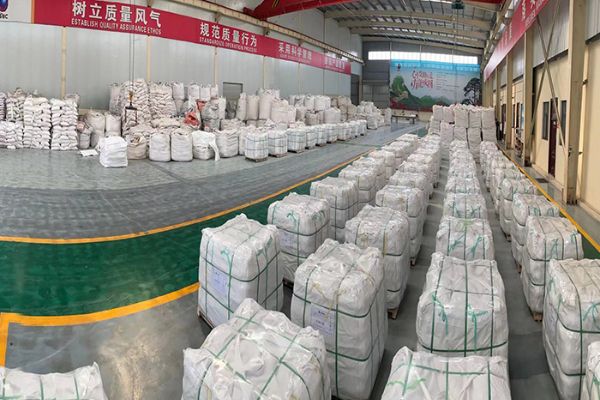
Henan Songrui New Refractory Materials Co., Ltd. customizes iron ladle castable formulations by ladle condition and provides on-site installation guidance.

Key Features

  • Slag resistance: slag-line grades resist hot metal slag and desulfurization slag with low erosion rate.
  • Thermal shock resistance: withstands empty-ladle to pouring cycles without cracking.
  • Low-cement bonding: mullitized matrix delivers high hot strength.
  • Integral casting: seamless monolithic lining resists metal penetration.
  • Tunable Al2O3: 60-85% selected by slag-line conditions.
  • Easy installation: low water demand, dense corners.

Typical Applications

  • Integral casting of ladle walls and bottom.
  • Slag-line lining of iron ladles.
  • Reinforced lining at the pouring impact zone.
  • Hot repair and local patching.
  • Matching castables for mixers and torpedo ladles.

FAQs

Why does iron ladle castable spall in large areas instead of wearing evenly?

Large-area spalling is usually structural, not slag erosion. Causes include too fast baking creating internal steam pressure, untreated casting joints causing lamination, and thermal shock decohesion of the surface layer. Uniform thinning is normal slag erosion.

For heavy slag build-up, castable or gunning repair?

Small local defects can be repaired with a matching patching material, but the patching material must match the old lining and the surface must be cleaned and prepared, otherwise the patch will detach. Large damage requires complete relining.

Is higher Al2O3 always better?

No. Higher Al2O3 improves slag resistance but reduces thermal shock resistance due to corundum expansion. Frequent empty-ladle cycling makes pure high-alumina linings more prone to spalling. Select within 60-85% by actual slag temperature and basicity, adding spinel if needed.

Get a Quote & Technical Support

Leave your details and we will reply within 24 hours about this product

Related Products

Magnesia-Alumina Spinel Castable
Other Monolithic Refractories

Magnesia-Alumina Spinel Castable

Magnesia-alumina spinel castable is an alkaline monolithic refractory made of fused magnesia and alumina-magnesia spinel, offering excellent slag resistance and thermal shock resistance for steel ladle and hot metal ladle working linings.

Chemical composition MgO≥55%

Learn More →
Anhydrous Taphole Mud
Other Monolithic Refractories

Anhydrous Taphole Mud

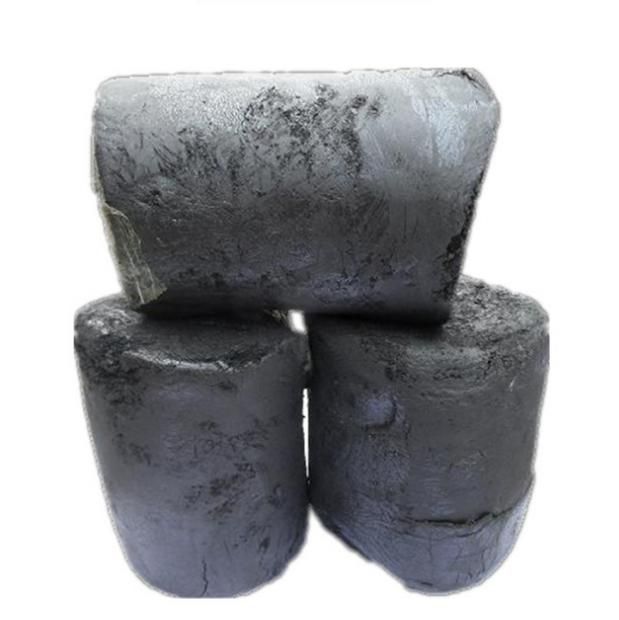
Anhydrous taphole mud is made of corundum, silicon carbide and coke fines with resin binder for blast furnace taphole sealing. It sinters fast, plugs densely and resists molten iron and slag scouring, ideal for large and medium blast furnaces under high pressure.

Al₂O₃ content30%~45%

Learn More →
Magnesia Castable
Other Monolithic Refractories

Magnesia Castable

Magnesia castable is made from sintered magnesia as aggregate and fines, offering high MgO content, strong resistance to basic slag and high refractoriness. It is ideal for steel ladle slag lines, LF refining furnaces and tundishes.

MgO content≥ 85%

Learn More →
Alumina-Magnesia Ladle Castable
Other Monolithic Refractories

Alumina-Magnesia Ladle Castable

Alumina-magnesia ladle castable (Al2O3-MgO) with in-situ spinel formation offers excellent slag resistance, thermal shock resistance and longer service life, ideal for integral lining and repair of steel ladles.

Al2O3 content75%~85%

Learn More →
17513376789
客服微信二维码客服微信 · 17513376789