
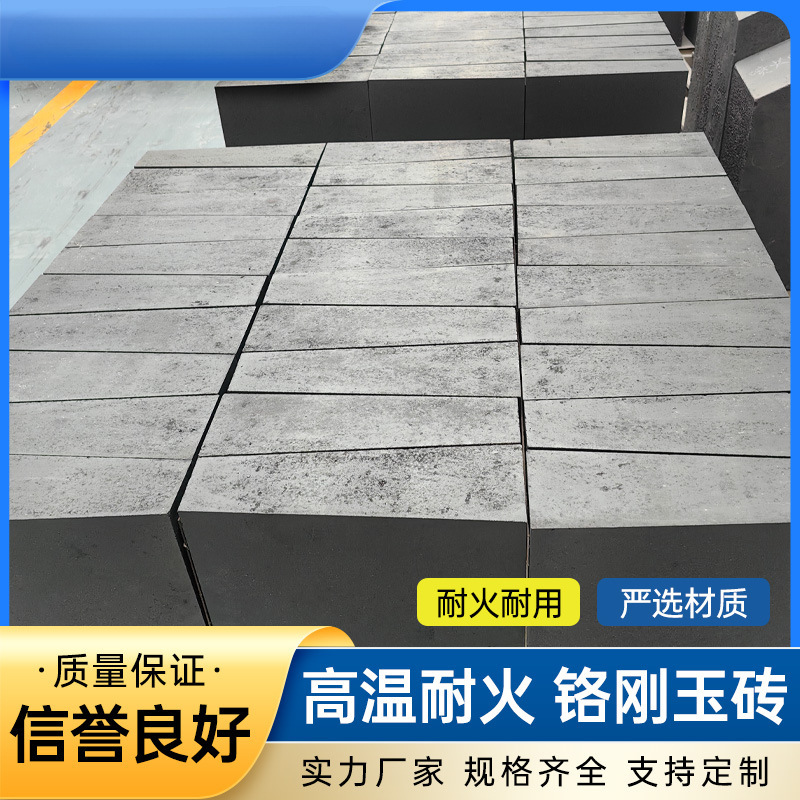
Chrome-Corundum Castable
Chrome-corundum castable incorporates Cr₂O₃ (3-8%) to form viscous slag films at high temperature that block penetration. 1750℃ max service, outstanding resistance to non-ferrous slags.
Learn More →Hot Metal Ladle · Slag Line
The slag line is the zone of a hot metal (or steel) ladle in direct contact with slag, near the metal surface. Temperature is high here and the slag-metal interface fluctuates constantly; chemical attack by slag on refractories is most severe, making this the main limit on lining life. Blast-furnace slag attacks hot metal ladle slag lines (variable basicity, high sulfur); refining slag attacks steel ladle slag lines (high basicity, high FeO).
Slag dissolution: CaO, FeO, SiO₂ and other slag components react with the castable matrix to form low-melting phases that dissolve and wash away, thinning the surface layer by layer. Penetration-structural spalling: slag penetrates pores and cracks into the lining, forming an altered layer whose thermal expansion mismatches the original castable, so the whole layer spalls under temperature cycling. Basicity fluctuation: alternate attack by acid/basic components accelerates dissolution and spalling. Coating-washout cycle: the slag coating periodically forms and detaches, carrying surface material away.
Slag-line erosion rapidly thins the lining, lowering ladle life and increasing ladle changes; in severe cases the slag line burns through and breaks out, endangering personnel and equipment.
Select slag-line castable for "penetration resistance + dissolution resistance":
Monolithic casting: cast the slag line with the wall in one pour or with a reliable joint, keeping weak construction joints away from the slag line. Vibration: vibrate fully to reduce pores. Bake-out: follow the curve for complete dehydration, preventing residual moisture from accelerating penetration spalling in service.
Control slag volume and deslag promptly to reduce slag-line contact time; monitor residual thickness and replace or patch locally before the design limit; consider precast rings or replaceable panels for the slag line to shorten repair time. Combine ladle-life records to continuously optimize grade and practice.
Chrome-corundum castable incorporates Cr₂O₃ (3-8%) to form viscous slag films at high temperature that block penetration. 1750℃ max service, outstanding resistance to non-ferrous slags.
Learn More →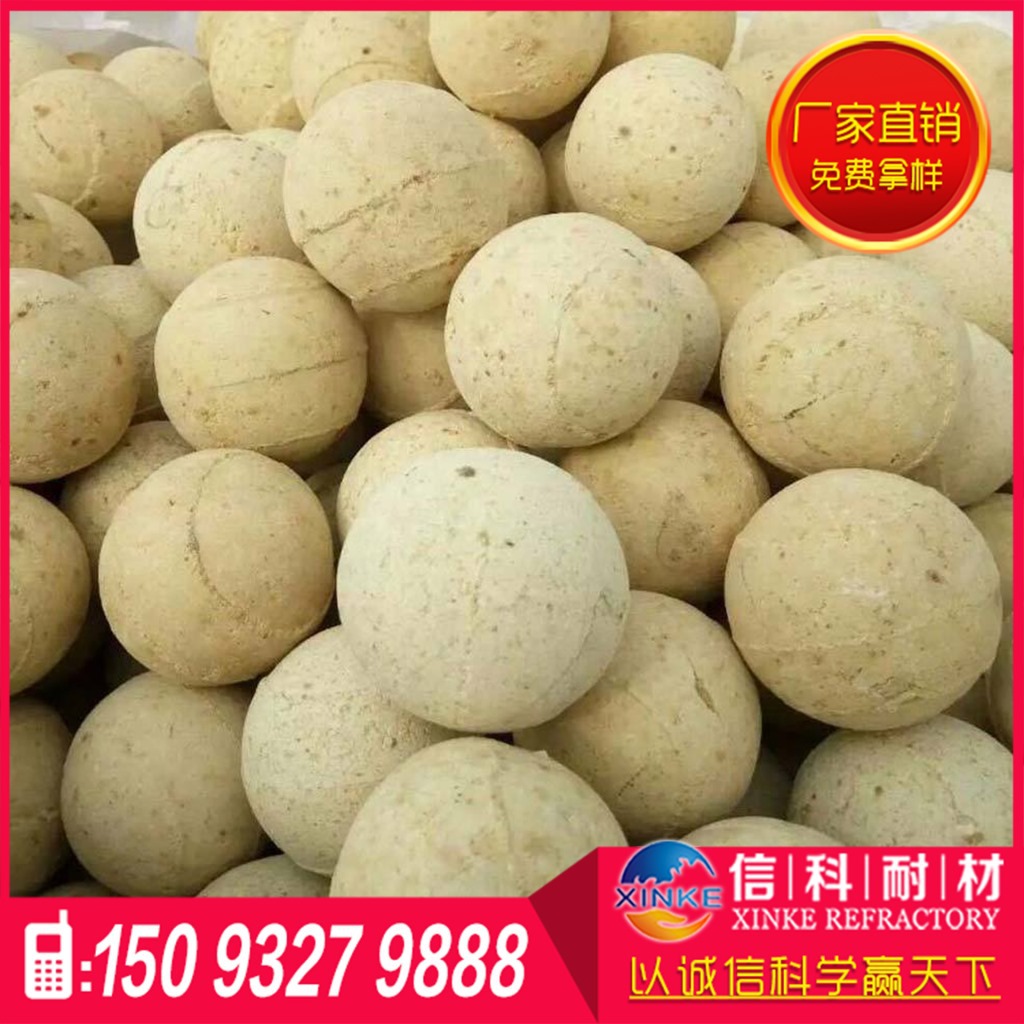
Corundum-mullite castable combines the hot strength of corundum with the thermal-shock resistance of mullite. Al₂O₃≥80%, 1700℃ max service.
Learn More →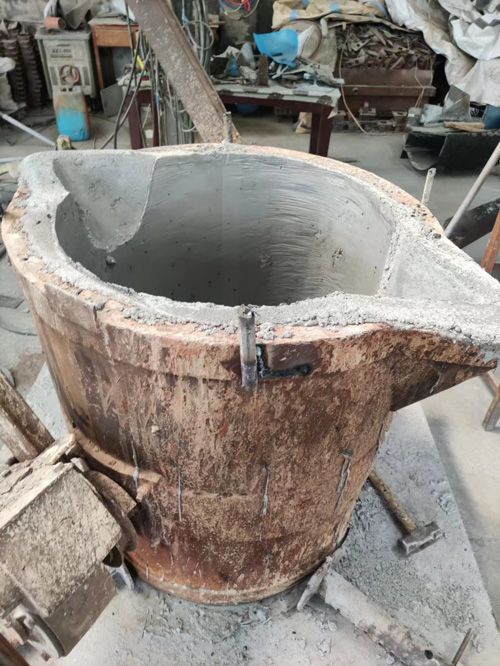
Iron ladle castable is a low-cement monolithic for iron ladle linings. Bauxite or corundum aggregates with Al2O3 of 60-85% are selected by slag-line conditions. Low-cement bonding and integral casting resist slag attack, thermal shock and metal penetration.
Learn More →Background The bottom of a hot metal ladle (torpedo or open ladle) is the most concentra…
Problem Details →Customer Question During ladle relining, the most common question is: "What castable for…
Problem Details →Contact Us
 WeChat · 17513376789