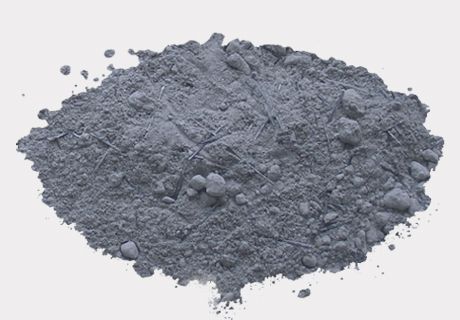
Blast Furnace Hearth Carbon Ramming Mass
Three Tasks: Leveling, Heat Transfer, Sealing
The hearth steelwork deforms over long campaigns; welds and bolted areas cannot be perfectly flat, so carbon blocks cannot sit directly on it - this is why a leveling layer exists. Beyond leveling, the ramming mass must conduct heat: air gaps between carbon blocks and cooling staves are poor conductors, so the ramming material must take the heat from the blocks and pass it to the staves. The third task is equally critical: hot metal is extremely penetrating. If it seeps through block joints into the ramming layer, carbon precipitates and swells, pushing and cracking the blocks from behind. Sealing matters as much as conductivity.
Why Carbon: Thermal Matching with Carbon Blocks
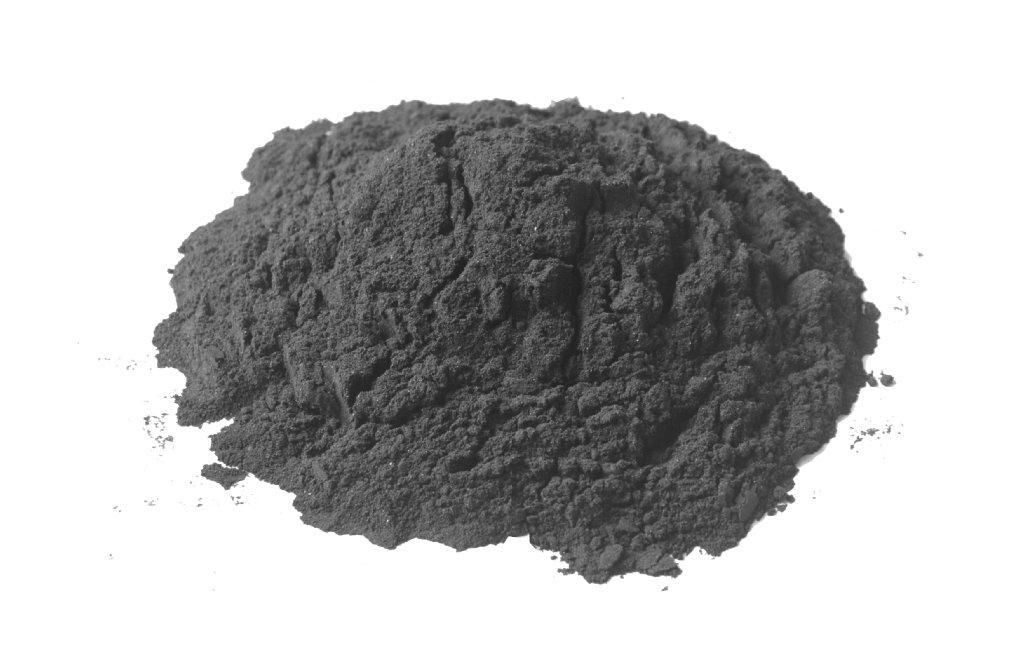
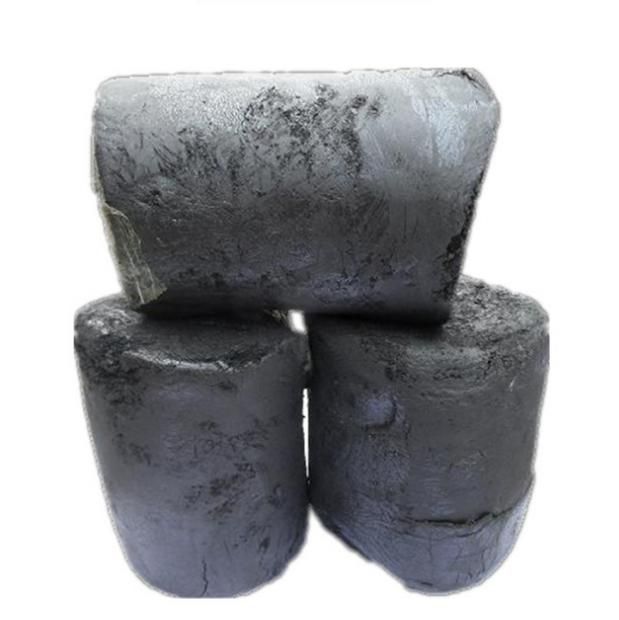
The core reason for choosing carbon ramming material over ordinary refractory mortar or castable is conductivity matching. Carbon blocks conduct heat far better than high-alumina materials; a high-alumina leveling layer would create an insulating sandwich, raising the hot-face temperature and increasing the driving force for metal penetration. Carbon ramming mass made of calcined anthracite, artificial graphite and silicon carbide with resin or tar binder conducts far better, keeping the heat path between blocks and staves open.
Graphitic vs. Carbon Ramming
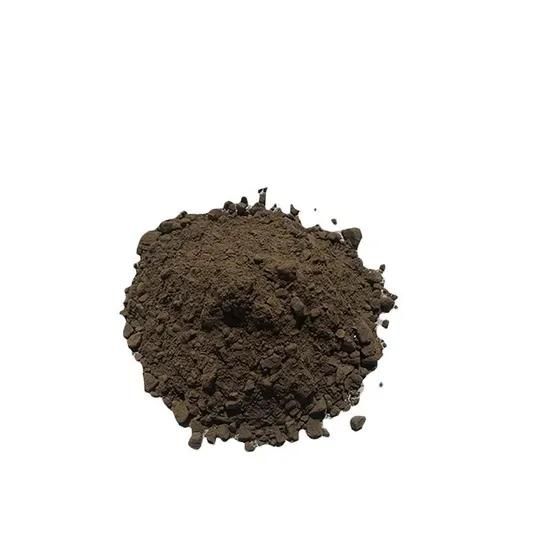
Requirements differ by position. Between cooling staves and carbon blocks, carbon ramming mass is preferred for conductivity. Under the hearth bottom, where the cooling direction aligns with ramming pressure and shrinkage matters, graphitic ramming mass is common - graphite-based formulations resist load shrinkage at high temperature, keeping the blocks on a stable base. Bulk density, thermal conductivity, ash and volatiles are the key indicators; actual installed density often matters more than the formulation.
Installation: Density Sets Life
The difficulty is compaction. Ideally the mass forms a dense monolithic with low porosity, tight against blocks and staves. But installation happens in narrow hearth spaces; ramming direction, layer thickness and passes all affect final density. Two common defects: under-ramming leaves air gaps where metal can seep and swell; over-ramming can damage block surfaces or squeeze out binder. Standard practice: each layer no more than 80-100 mm, rammed thoroughly with staggered joints.
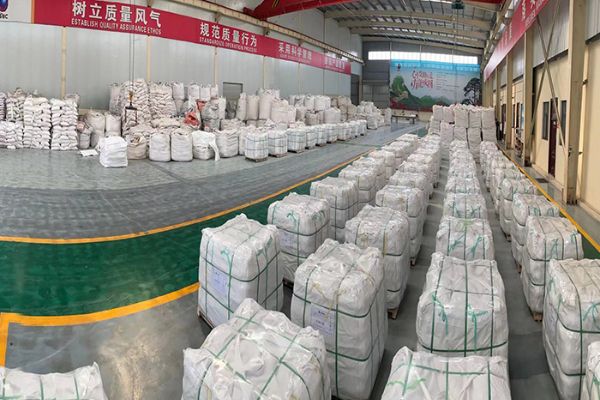
Henan Songrui New Refractory Materials Co., Ltd. supplies carbon and graphitic ramming masses for blast furnace hearths with installation guidance.

 客服微信 · 17513376789