
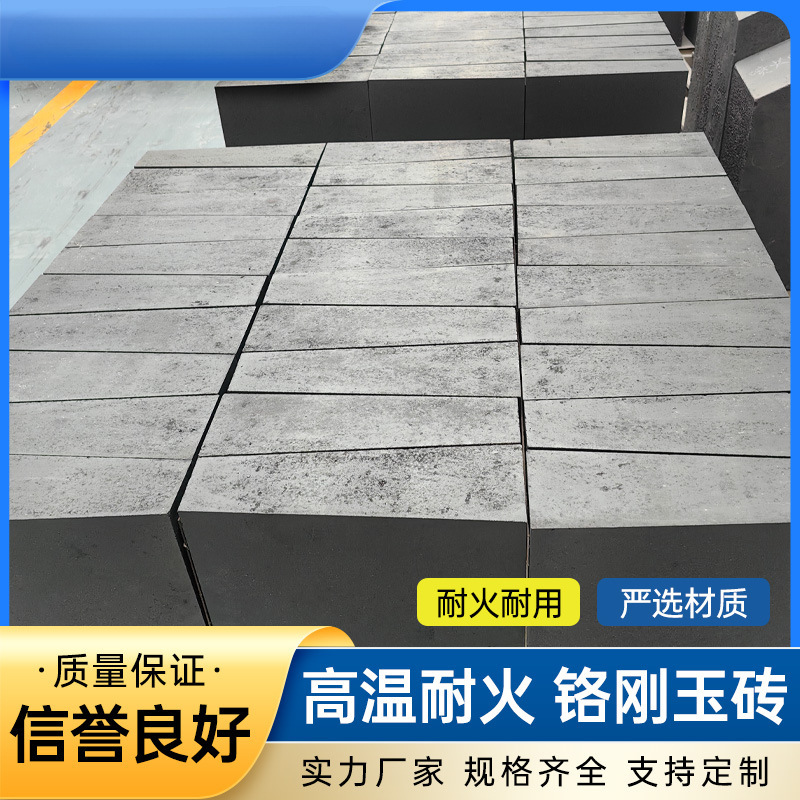
Chrome-Corundum Castable
Chrome-corundum castable incorporates Cr₂O₃ (3-8%) to form viscous slag films at high temperature that block penetration. 1750℃ max service, outstanding resistance to non-ferrous slags.
Learn More →Copper Smelting Furnace · Roof
The roof of copper smelting furnaces (flash, converter, anode) endures high-temperature gas and molten splash. Roof gas runs hot and dust-laden; splashed matte and slag adhere and attack the roof. Castable over-fires and spalls—a weak point of smelter linings.
Hot-gas over-firing: roof gas temperature is high (flash reaction shaft top can exceed 1600℃); prolonged high temperature over-fires the castable and lowers strength. Splash attack: molten splash (matte, slag) adheres to the roof and reacts with the castable. Thermal shock: shutdown cooling and charge fluctuations cause rapid temperature changes; thermal-shock stress spalls the lining. Anchor failure: high-temperature oxidation and thermal shock fail anchors; the lining loses restraint and detaches.
After roof burnout and spalling, the shell overheats and deforms, roof sealing degrades and heat loss rises; in severe cases the roof burns through, melt and gas escape, threatening safety and forcing shutdown for repair.
Select smelter roof for "high-temperature resistance + melt resistance + reliable anchoring":
Formwork casting: precise formwork and continuous placement for large roof areas. Vibration: vibrate fully for density. Water control: keep at the datasheet lower limit. Bake-out: follow the curve and complete dehydration before commissioning.
Control temperature swings and avoid prolonged over-temperature; inspect roof surface and shell temperature, treating hot spots promptly. At maintenance, check anchor condition and residual lining thickness, patching thinned zones and replacing failed anchors.
Chrome-corundum castable incorporates Cr₂O₃ (3-8%) to form viscous slag films at high temperature that block penetration. 1750℃ max service, outstanding resistance to non-ferrous slags.
Learn More →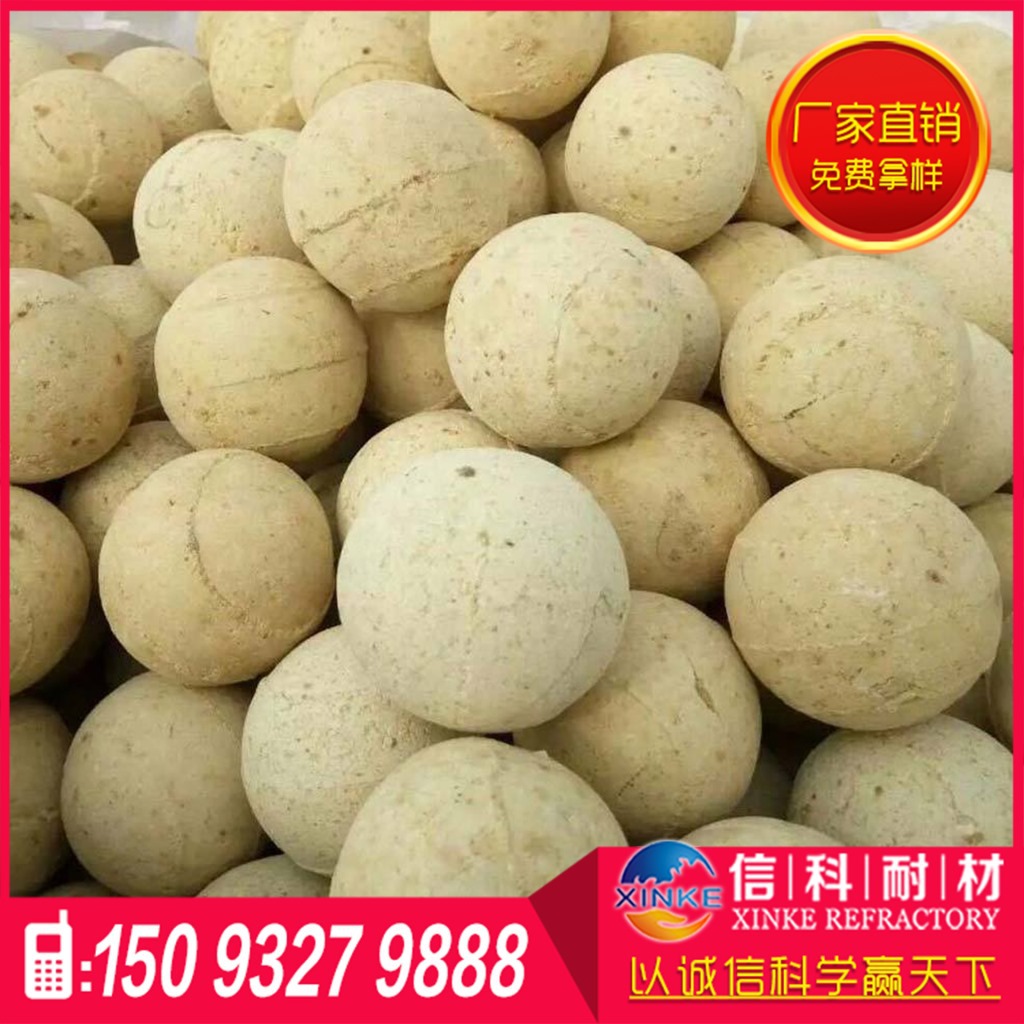
Corundum-mullite castable combines the hot strength of corundum with the thermal-shock resistance of mullite. Al₂O₃≥80%, 1700℃ max service.
Learn More →
LA-60 high-alumina castable uses bauxite clinker aggregate with Al₂O₃≥60% and a max service temperature of 1600℃. Its low-cement bond gives high density and good thermal-shock resistance.
Learn More →Contact Us
 WeChat · 17513376789