
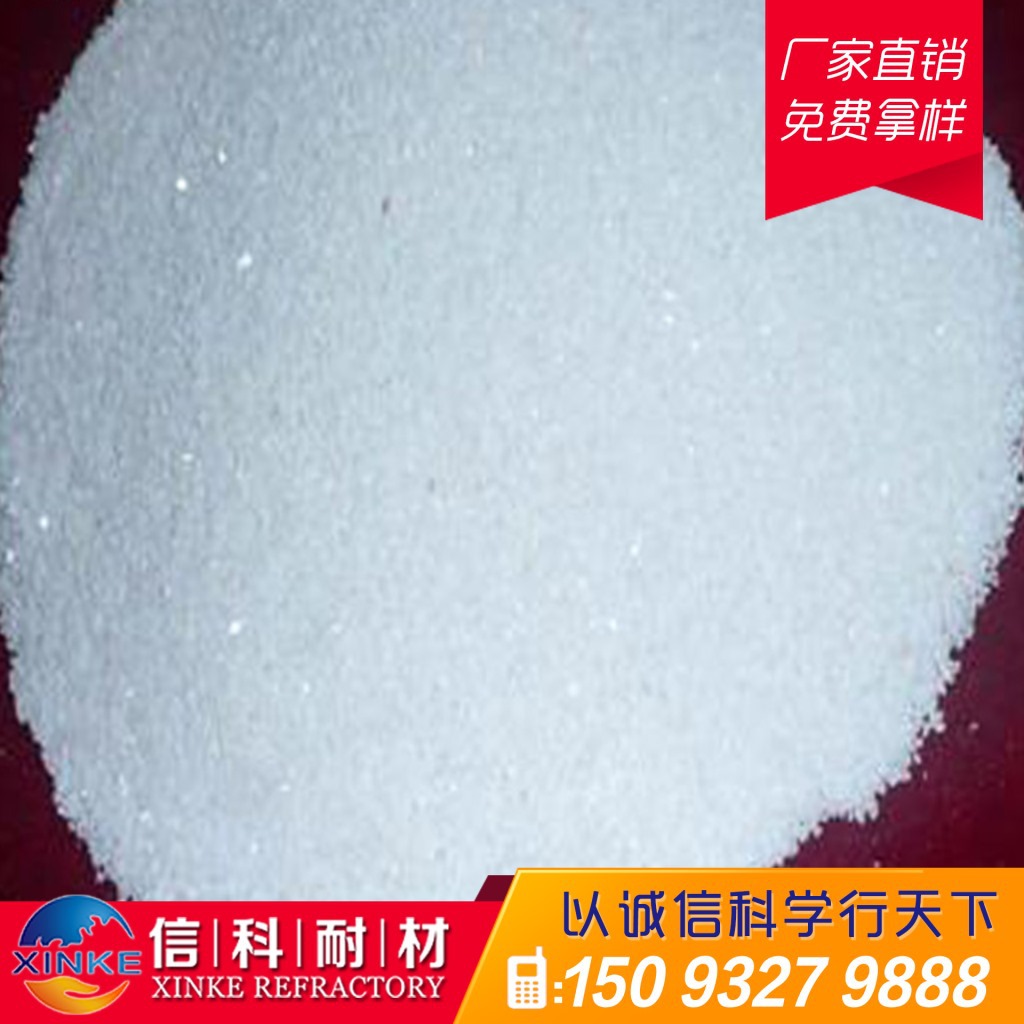
Acid-Resistant Castable
Acid-resistant castable with acidic/neutral aggregates, SiO₂≥75% and acid resistance ≥97%, serving to 1200℃. Withstands acid gases, acid liquids and condensing acid over long periods.
Learn More →Regenerator · Bottom Flue
The regenerator bottom flue of a glass furnace sits below the checkerwork, the passage for waste gas exit and combustion air intake. Waste gas cools and condenses here; acidic components (sulfur oxides, water vapor) condense into acid liquid on the cold wall, attacking the castable lining—one of the most corrosive zones of the regenerator.
Acid dew-point corrosion: SO₂/SO₃ and moisture in flue gas condense into sulfuric acid on cold walls (dew point ~120–160℃), acid-attacking the castable. Condensate penetration: acid liquid penetrates pores and cracks, dissolving the matrix and lowering strength. Loosening and cracking: acid attack loosens and dusts the surface, cracking under repeated wet-dry cycles. Mechanical wear: dust-laden gas abrades the lining surface.
After acid attack loosens and cracks the flue lining, structural strength and sealing degrade, and air leakage hurts regenerator heat exchange; in severe cases the lining collapses and plugs the flue, forcing furnace shutdown for repair.
Select the bottom flue for "acid resistance + water resistance":
Water protection: protect from water during placement and curing. Bake-out: follow the curve for full dehydration. Surface treatment: seal the surface to reduce acid penetration. Joints: stagger and seal construction joints to block condensate penetration.
Control the flue-gas temperature/dew-point relationship through insulation and temperature management to reduce condensation; inspect flue lining and condensate regularly; clean ash and patch acid-attacked zones at maintenance, replacing entirely and optimizing insulation design when severe.
Acid-resistant castable with acidic/neutral aggregates, SiO₂≥75% and acid resistance ≥97%, serving to 1200℃. Withstands acid gases, acid liquids and condensing acid over long periods.
Learn More →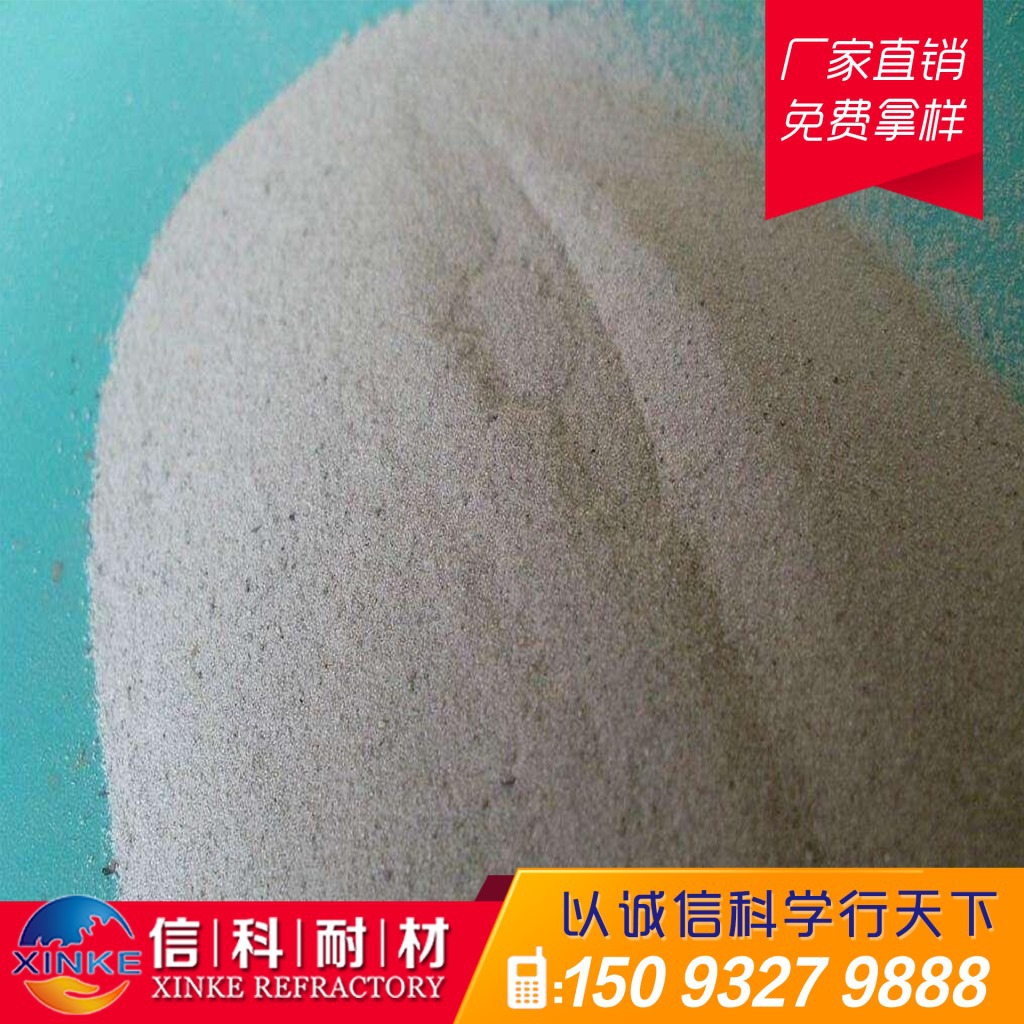
Ceramsite insulating castable with shale ceramsite aggregate, bulk density only 0.90 g/cm³ and conductivity ≤0.30 W/(m·K) to 1200℃. Ultra-light, low-conductivity monolithic insulation without joints.
Learn More →Contact Us
 WeChat · 17513376789