
Ceramsite Insulating Castable
Ceramsite insulating castable with shale ceramsite aggregate, bulk density only 0.90 g/cm³ and conductivity ≤0.30 W/(m·K) to 1200℃. Ultra-light, low-conductivity monolithic insulation without joints.
Learn More →Coke Oven · Roof
The coke oven roof insulation lies between carbonization chambers and the roof surface, reducing heat loss and improving the roof working environment. The insulating castable long-term faces high temperature and mechanical traffic; it cracks and dusts, raising heat loss and roof surface temperature.
Temperature gradient and thermal shock: the roof insulation spans a wide temperature range; charging/pushing cycles cause temperature fluctuation, and repeated thermal stress forms cracks. Mechanical load: roof equipment and personnel impose mechanical load and traffic wear. Dusting: insulating castable has low strength and dusts under long-term high temperature and oxidizing atmosphere. Moisture attack: rain or cleaning water penetrates the insulation; repeated wet-dry cycles destroy structure.
After cracking and dusting, coke oven heat loss rises, energy consumption increases and roof surface temperature rises, worsening the working environment; insulation failure may also cause carbonization-roof temperature fluctuation, affecting coke quality and oven life.
Select roof insulation for "low conductivity + crack resistance + traffic resistance":
Layered placement: cast by design layers with staggered joints. Surface sealing: apply sealing coating and protection layer against moisture and mechanical damage. Curing: control curing to prevent early drying cracks.
Inspect roof insulation surface and roof temperature regularly; patch cracking/dusting promptly. At maintenance, check insulation moisture and thickness, replacing failed zones; record roof temperature data to verify insulation design.
Ceramsite insulating castable with shale ceramsite aggregate, bulk density only 0.90 g/cm³ and conductivity ≤0.30 W/(m·K) to 1200℃. Ultra-light, low-conductivity monolithic insulation without joints.
Learn More →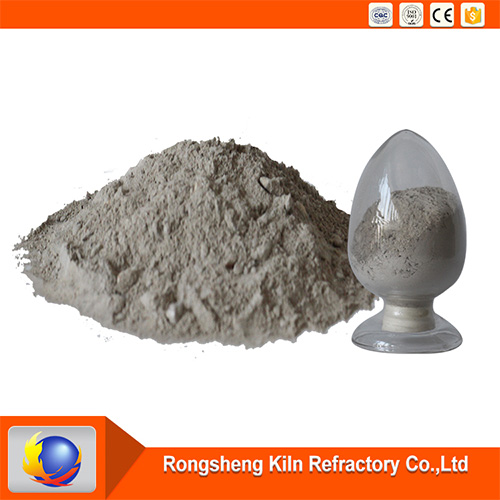
Lightweight high-alumina insulating castable with bulk density of only 1.30 g/cm³ and thermal conductivity ≤0.45 W/(m·K) up to 1400℃. Insulates while retaining strength and reducing furnace load.
Learn More →Contact Us
 WeChat · 17513376789