
SCC Lining Spalling

Secondary Combustion Chamber · Chamber

Problem Details

Background

The secondary combustion chamber completes flue-gas reburning and dioxin destruction in waste incineration. Operating above 1100℃, its lining bears high-temperature gas, alkali/chlorine attack and thermal shock; the castable spalls and alkali-cracks—a high-frequency failure zone.

Failure Mechanism

Alkali/chlorine attack: incineration gas is rich in alkali metals (K, Na) and chlorine, which enrich on the lining surface and in pores, reacting with the matrix into low-melting chlorides, causing "alkali cracking" and loosening. Hot-gas scouring: high-velocity gas above 1100℃ thermally scours the lining. Thermal shock: ignition, shutdown and load swings cause rapid temperature changes; thermal-shock stress spalls the lining. Corrosion: HCl, SO₂ and other acid gases condense and attack in cooler zones.

Consequences

After spalling, vessel walls overheat and corrode, the ability to guarantee dioxin-destruction temperature weakens, and environmental emission risk rises; forced shutdown shortens incineration-line availability.

Solution

Material Selection and Parameters

Select the secondary combustion chamber for "alkali/chlorine resistance + high-temperature resistance + thermal-shock resistance":

  • Material system: alkali-resistant castable (Al₂O₃≥40%, low alkali-reactive aggregate) or SiC castable (SiC≥50%). Alkali-resistant castable resists alkali/chlorine attack; SiC resists wear, conducts heat and self-cleans for gas-scouring zones;
  • Anchors: densified heat-resistant steel anchors with ceramic caps;
  • Structural design: ensure even temperature distribution and gas residence time to reduce local hot and cold-corrosion zones.

Installation Essentials

Monolithic placement: cast barrel and cone monolithically with staggered joints. Vibration: vibrate fully to reduce pores (alkali/chlorine penetration paths). Water control: follow the datasheet strictly. Bake-out: follow the curve and complete dehydration before commissioning.

Maintenance

Control flue-gas temperature ≥1100℃ and residence time, optimizing combustion and mixing; inspect lining surface and shell temperature regularly. At maintenance, patch spalled zones, replace failed anchors and evaluate alkali/chlorine attack trends to optimize grade.

Recommended Products

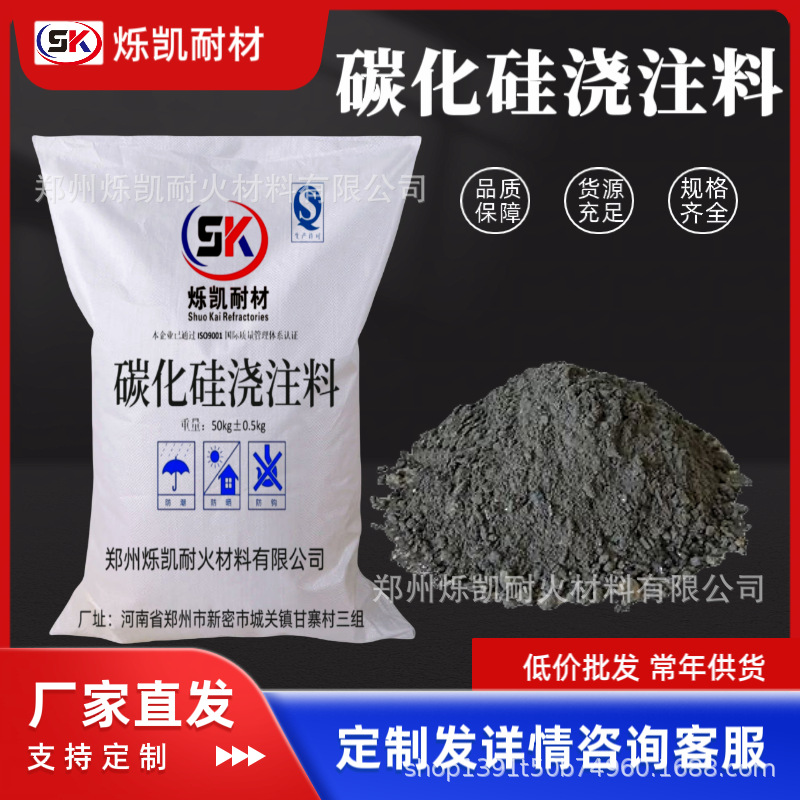
SiC Wear-Resistant Castable

SiC Wear-Resistant Castable

SiC wear-resistant castable with SiC≥50% aggregate offers extreme hardness and erosion resistance to 1600℃. High thermal conductivity promotes slag-coating self-protection. For CFB boiler cyclone barrels and cones, loop seals, copper flash furnace cones, launders and elbows under heavy wear.

Learn More →
Alkali-Resistant Castable

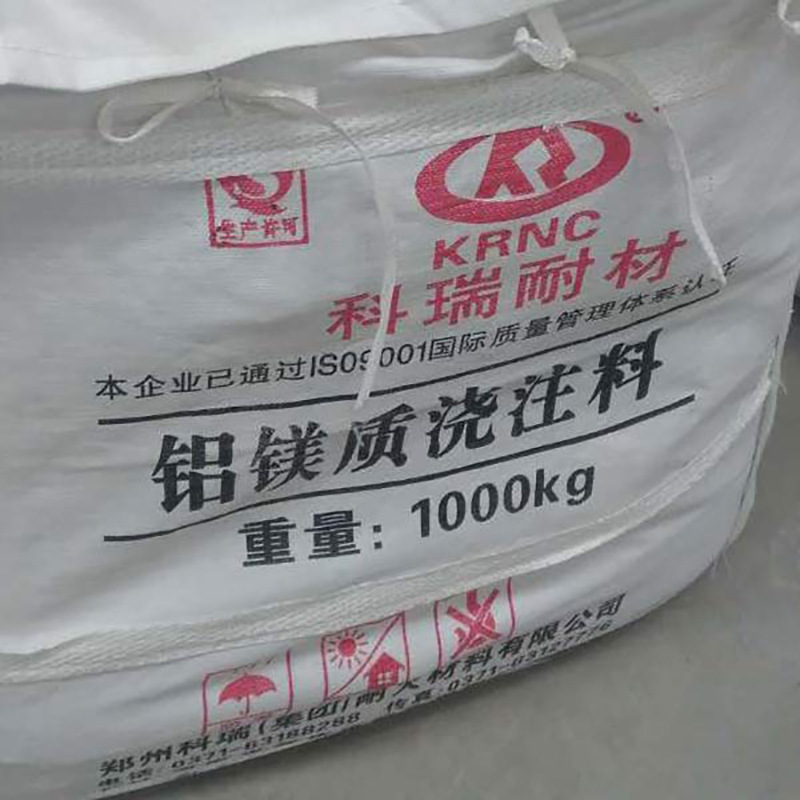
Alkali-Resistant Castable

Alkali-resistant castable engineered for alkali attack with low alkali-reactive aggregates forming a dense protective layer. Al₂O₃≥40%, 1350℃ max service, resisting alkali vapors and salts.

Learn More →

More questions? Send us an inquiry

Contact Us

Contact
17513376789
WeChat QR codeWeChat · 17513376789