
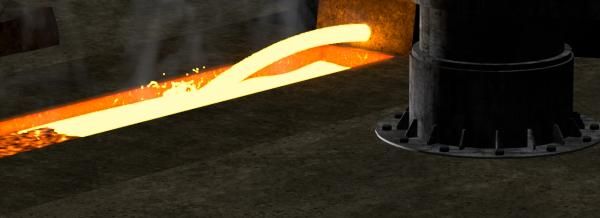
Main Trough Slag Line Wear

Iron Runner · Slag Line

Problem Details

Background

The main trough of a blast furnace cast house is the core channel for slag-iron separation and transport. The main trough slag line sits at the iron-slag interface, the most severely attacked zone of the trough. Its rapid loss determines trough throughput and repair frequency, and forms the main part of cast-house refractory cost.

Failure Mechanism

Alternating slag/iron scouring: during casting, hot metal and slag alternately contact and churn violently at the slag-line interface, imposing strong scouring and chemical attack. Slag dissolution: CaO, FeO, MnO and other slag components react with and dissolve the castable matrix. Oxidation-structural spalling: carbon in carbon-composite castables oxidizes at high temperature, loosening the matrix and causing structural spalling. Thermal shock: the tap—no-tap cycle causes slag-line temperature fluctuation, accelerating cracking and spalling. Mechanical impact: iron landing points and slag flow impact the slag line.

Consequences

Rapid slag-line loss lowers trough throughput and raises repair frequency, occupying cast-house time; in severe cases the slag line burns through, hot metal/slag spills out, endangering safety and forcing trough shutdown for major repair.

Solution

Material Selection and Parameters

Recommend the Al₂O₃-SiC-C iron runner castable for the main trough slag line:

  • Material system: iron runner castable with Al₂O₃≥65%, SiC+C≥15%, cast monolithically. SiC improves slag resistance and wear; carbon improves slag-penetration and thermal-shock resistance. Add antioxidants (metallic silicon, aluminum powder) to protect carbon and delay oxidation;
  • Fiber reinforcement: 1.5–2.5vol% steel fiber for impact and crack resistance;
  • Thickness design: give the slag line a larger allowance than the bottom (typically 30–50% thicker) to extend throughput between repairs.

Installation Essentials

Monolithic casting: cast slag line and bottom in one pour, keeping construction joints away from the slag-line interface. Vibration: vibrate fully for tight bonding with the permanent layer. Bake-out: follow the curve to prevent carbon oxidation and residual moisture. Curing: control curing time and reach strength before service.

Maintenance

Plan repairs by throughput—record throughput each time and arrange hot repair or local replacement before the design value; inspect the slag line closely and restore thinned zones quickly with repair material or precast blocks; control iron dwell time and slag volume to ease the slag-line load.

Recommended Products

Al₂O₃-SiC-C Iron Runner Castable

Al₂O₃-SiC-C Iron Runner Castable

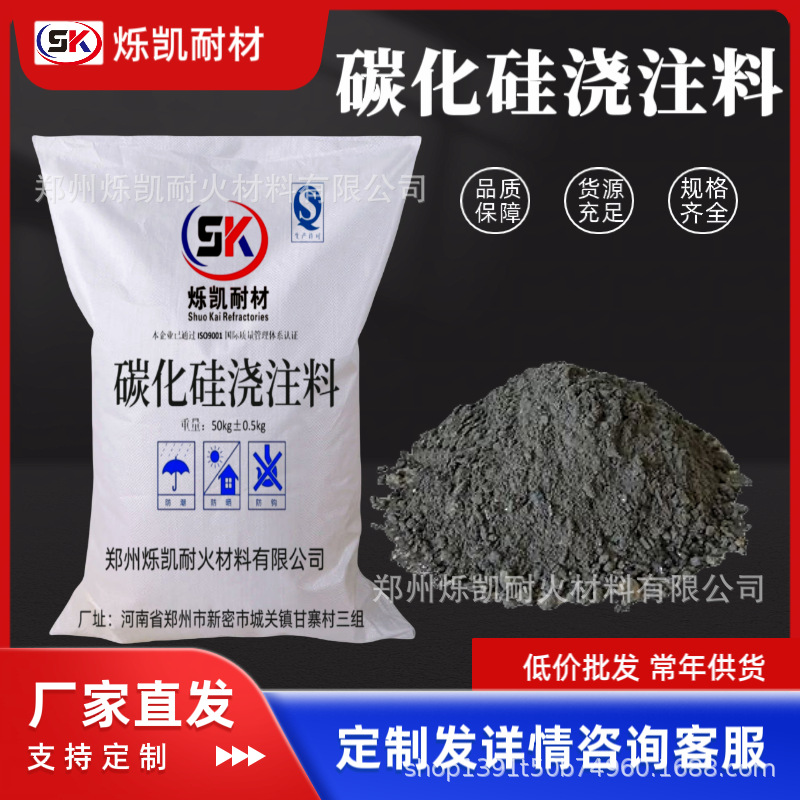
Al2O3-SiC-C iron runner castable is made of high-grade bauxite clinker with SiC and carbon additives, offering excellent slag resistance, erosion resistance and thermal shock stability for blast furnace main troughs to achieve long service life.

Learn More →
Iron Runner Castable
Featured

Iron Runner Castable

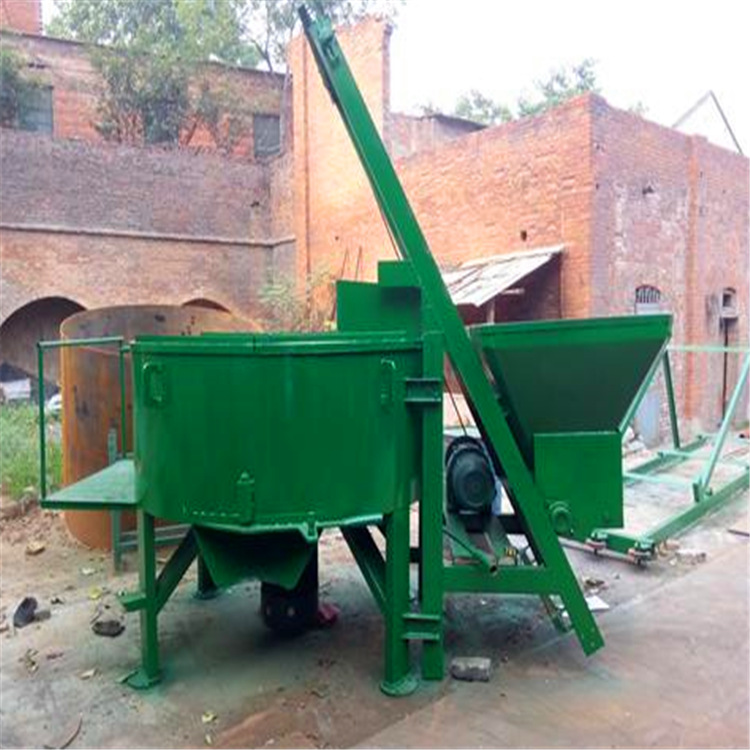
Iron runner castable purpose-built for blast furnace troughs with Al₂O₃≥65%, SiC+C≥15% and 1550℃ max service. Resists continuous erosion by hot iron and slag. For main trough working linings, branch runners, swing spouts, slag runners and trough covers—the core refractory of the cast house.

Learn More →
SiC Wear-Resistant Castable

SiC Wear-Resistant Castable

SiC wear-resistant castable with SiC≥50% aggregate offers extreme hardness and erosion resistance to 1600℃. High thermal conductivity promotes slag-coating self-protection. For CFB boiler cyclone barrels and cones, loop seals, copper flash furnace cones, launders and elbows under heavy wear.

Learn More →

Other Problems of This Kiln

More questions? Send us an inquiry

Contact Us

Contact
17513376789
WeChat QR codeWeChat · 17513376789