
Hot Blast Main Lining Spalling

Hot Blast Stove · Hot Blast Main

Problem Details

Background

The hot blast main and bustle pipe are the key conveying pipes of the hot blast system. Their linings endure continuous scouring by hot blast above 1200℃ and pressure fluctuations during stove changes. Once the pipe lining fails, blast leaks, hot blast temperature drops, directly hurting blast temperature level and fuel consumption.

Failure Mechanism

Hot blast scouring: 1200–1350℃ blast flows through the pipe at high velocity, continuously heating and abrading the lining surface. Pressure fluctuation: during stove changes (on-blast to on-gas), pressure cycles periodically, imposing alternating stress that initiates and propagates cracks. Thermal shock: instantaneous temperature changes at stove change impose thermal-shock stress. Anchor failure: anchors loosen and fail under high-temperature oxidation and thermal shock; the unrestrained lining spalls and cracks. Blast leakage and temperature drop: once the lining cracks, blast leaks through cracks, lowering blast temperature and overheating the shell.

Consequences

After lining spalling and cracking, leakage rises and blast temperature falls, worsening smelting intensity and coke rate; local shell overheating risks burn-through, forcing furnace shutdown for repair.

Solution

Material Selection and Parameters

Select hot blast pipe lining for "thermal-shock resistance + integrity":

  • Material system: low-cement mullite castable (Al₂O₃≥75%) or andalusite castable (Al₂O₃≥72%). Mullite and andalusite give excellent thermal-shock stability and high-temperature volume stability; andalusite's mullitization micro-expansion offsets shrinkage for crack-free long-term service;
  • Structural design: set expansion joints by pipe section, with spacing and width calculated from linear expansion to prevent damage from thermal expansion; layer the working lining and insulation to reduce shell heat loss;
  • Bond system: low-cement (CaO≤2.5%) for hot strength and density.

Installation Essentials

Monolithic casting: cast in continuous sections with construction joints kept away from stress concentration and sloped for overlap. Expansion joints: position and width strictly per drawing, filled with compressible material to prevent gas bypass. Curing: cure each section properly to avoid early drying cracks. Anchors: space per design and weld fully, using heat-resistant steel anchors in hot zones.

Maintenance

Check shell temperature and blast temperature regularly; investigate lining condition promptly on anomalies. At mid-campaign maintenance, inspect the full lining and patch or replace cracked/spalled zones to keep pipe lining integrity and gas tightness.

Recommended Products

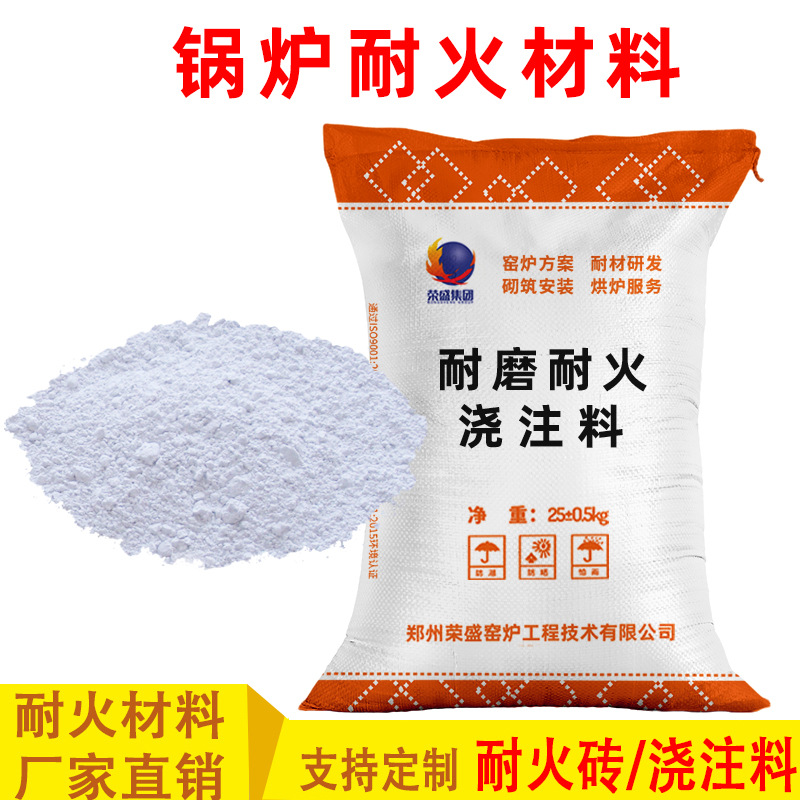
Mullite Castable
Featured

Mullite Castable

Mullite castable with mullite clinker or synthetic aggregate, Al₂O₃≥75%, 1650℃ max service. High refractoriness-under-load with excellent creep and thermal-shock resistance for long-term load-bearing at temperature.

Learn More →
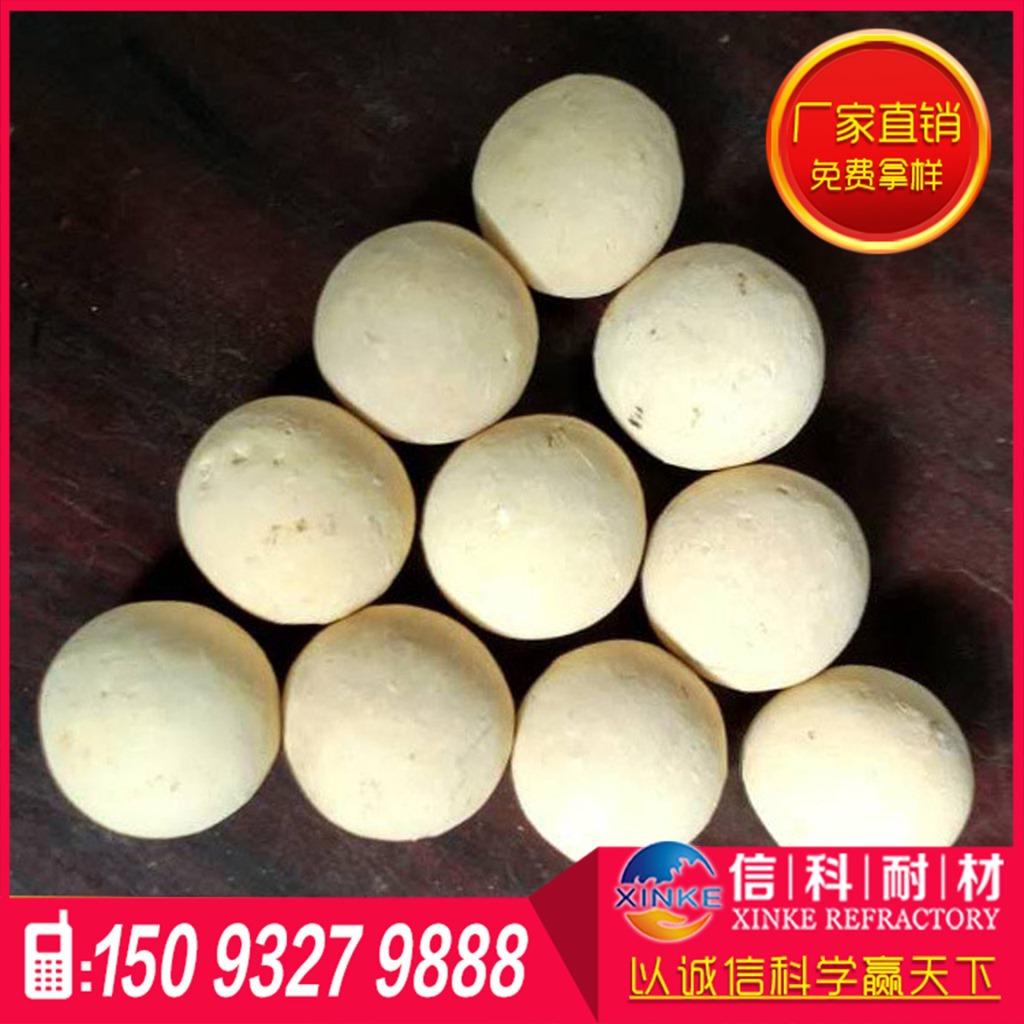

Andalusite Castable

Andalusite Castable

Andalusite castable exploits the micro-expansion of mullitization to offset shrinkage, giving long-term volume stability. Al₂O₃≥72%, 1650℃ max service, excellent thermal-shock and creep resistance.

Learn More →

More questions? Send us an inquiry

Contact Us

Contact
17513376789
WeChat QR codeWeChat · 17513376789