
Burner Zone Lining Fall-out

Pulverized Coal Boiler · Burner Zone

Problem Details

Background

The burner zone (arch zone) of a pulverized-coal boiler maintains furnace temperature and combustion stability. It suffers high-temperature flue-gas scouring and coal-air impact, plus severe temperature changes at ignition and shutdown. The castable lining here cracks and detaches as a whole—the weak link of the boiler lining.

Failure Mechanism

Hot gas scouring: flame temperature reaches 1300–1500℃ in the burner zone; high-velocity gas carrying coal particles imposes thermal impact and abrasive scouring. Coal impact: coal-air flow directly impacts the arch surface, causing local wear and erosion. Thermal shock: ignition, shutdown and purging cause rapid temperature changes; thermal-shock stress cracks the lining. Anchor failure: anchors oxidize at high temperature or are under-specified; the unrestrained lining detaches as a whole. Over-temperature operation: prolonged over-temperature over-fires the castable, lowering strength and accelerating spalling.

Consequences

Arch fall-out destabilizes furnace temperature and combustion, hurting efficiency and low-load stability; fallen blocks may plug the cold ash hopper or damage equipment, forcing shutdown for repair.

Solution

Material Selection and Parameters

Select burner-zone lining for "high-temperature resistance + thermal-shock resistance + reliable anchoring":

  • Material system: high-alumina castable (Al₂O₃≥60%) or corundum castable (Al₂O₃≥85%). High-alumina offers good value for general duty; corundum gives higher temperature and washout resistance for the burner hot zone;
  • Anchor design: densified anchors—narrower spacing (e.g. 150–200mm) with heat-resistant steel and ceramic caps protecting tips against high-temperature oxidation;
  • Thickness design: construct to design thickness without arbitrary reduction to maintain strength and insulation.

Installation Essentials

Water control: follow the datasheet; excess water lowers strength and washout resistance. Full vibration: vibrate fully for tight bonding with anchors and substrate. Bake-out: follow the curve and complete dehydration before ignition. Anchor inspection: check weld quality before and embedment after placement.

Maintenance

Avoid prolonged over-temperature operation; keep burner-zone temperature in a reasonable range. Inspect the arch surface regularly and patch cracks promptly; at maintenance, focus on anchor corrosion and lining bonding, re-welding or replacing failed anchors.

Recommended Products

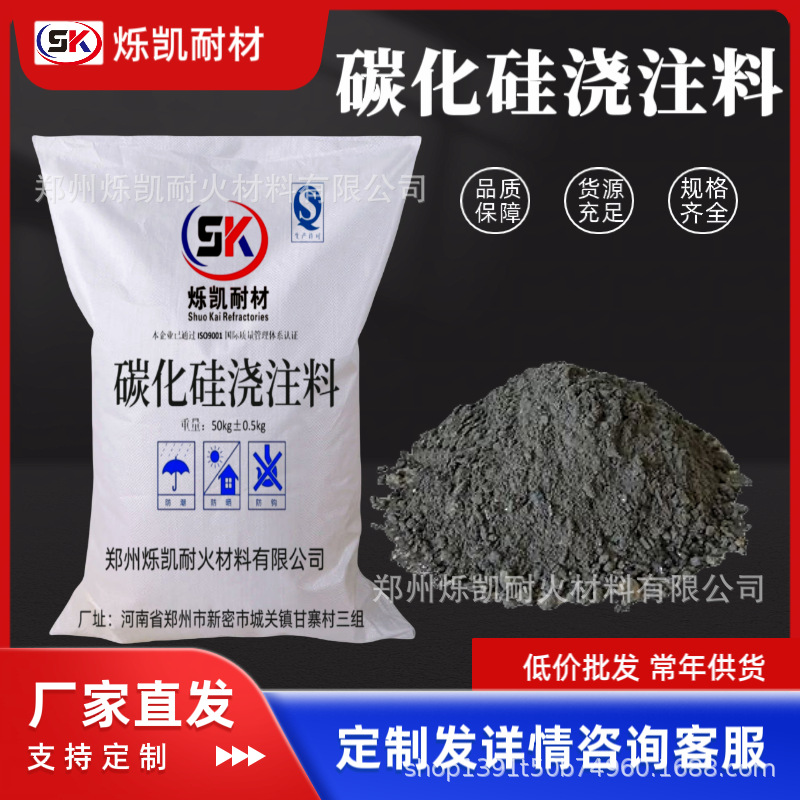
SiC Wear-Resistant Castable

SiC Wear-Resistant Castable

SiC wear-resistant castable with SiC≥50% aggregate offers extreme hardness and erosion resistance to 1600℃. High thermal conductivity promotes slag-coating self-protection. For CFB boiler cyclone barrels and cones, loop seals, copper flash furnace cones, launders and elbows under heavy wear.

Learn More →
Brown Corundum Castable
Featured

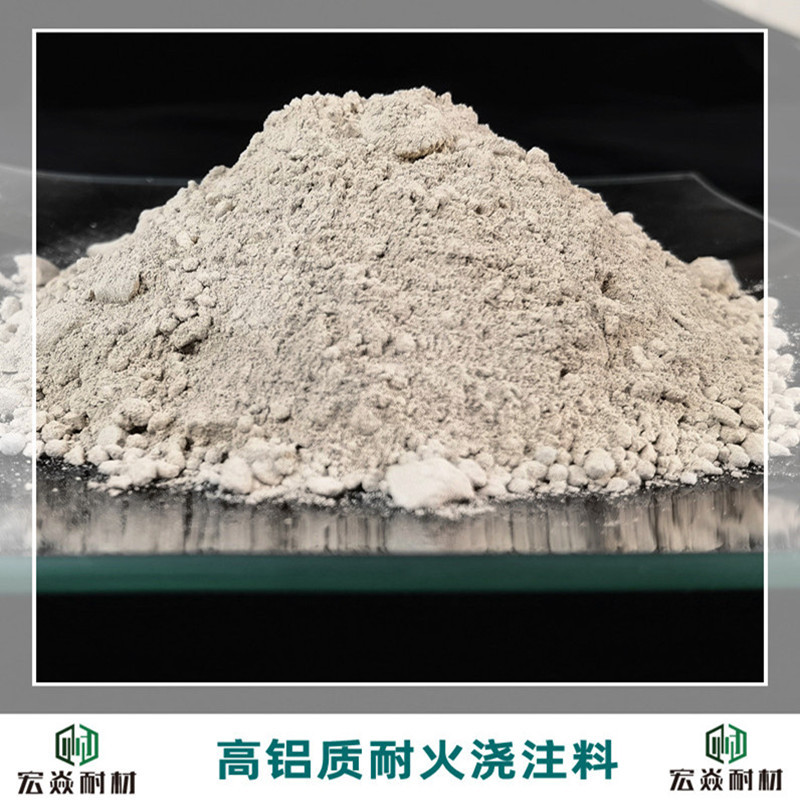
Brown Corundum Castable

Brown corundum castable based on dense fused alumina with Al₂O₃≥85%, 1750℃ max service and CCS≥90MPa. High hardness, refractoriness and excellent slag resistance. Used in steel ladle working linings and slag lines, main iron runners, converter mouth areas and CFB boiler cyclone wear zones.

Learn More →

More questions? Send us an inquiry

Contact Us

Contact
17513376789
WeChat QR codeWeChat · 17513376789