
Quench Chamber Lining Cracking

Entrained-flow Gasifier · Quench Chamber

Problem Details

Background

The quench chamber of an entrained-flow gasifier sits below the gasification chamber. High-temperature syngas (1400–1600℃) enters and is quenched by water. The quench lining bears severe quenching thermal shock, water/steam scouring and pressure fluctuation; the castable cracks and detaches—a weak point of gasifier linings.

Failure Mechanism

Quench thermal shock: the moment hot syngas contacts water, temperature drops sharply; the lining surface bears extreme thermal-shock stress, the main cause of cracking and detachment. Water/steam scouring: quench water and steam scour the lining as high-velocity two-phase flow. Pressure fluctuation: gasifier operating swings cause periodic pressure changes; alternating stress propagates cracks. Corrosion: acidic syngas components (H₂S, CO₂) attack the lining in condensing water.

Consequences

After cracking and detachment, vessel walls overheat and corrode with leakage risk; fallen blocks may plug the quench ring or damage internals, forcing shutdown and shortening the gasifier operating cycle.

Solution

Material Selection and Parameters

Select the quench chamber for "quench-thermal-shock resistance + scouring resistance":

  • Material system: thermal-shock-resistant castable—mullite (Al₂O₃≥75%) or andalusite (Al₂O₃≥72%), both with excellent thermal-shock stability; corundum grades for local quench-ring zones requiring higher scouring resistance;
  • Anchors: densified heat-resistant steel anchors to keep the lining in place under thermal shock;
  • Structural design: coordinate lining with quench ring and downcomer for even water distribution and reduced local scouring.

Installation Essentials

Formwork casting: cast the annular quench lining precisely with staggered joints. Vibration: vibrate fully. Water control: follow the datasheet. Bake-out: follow the curve strictly and complete dehydration before commissioning.

Maintenance

Control quench water flow and temperature for a stable quench gradient; monitor quench wall temperature and pressure drop, investigating on anomalies. At maintenance, check lining thickness and cracks, patching thinned zones and replacing severe zones with optimized grade and structure.

Recommended Products

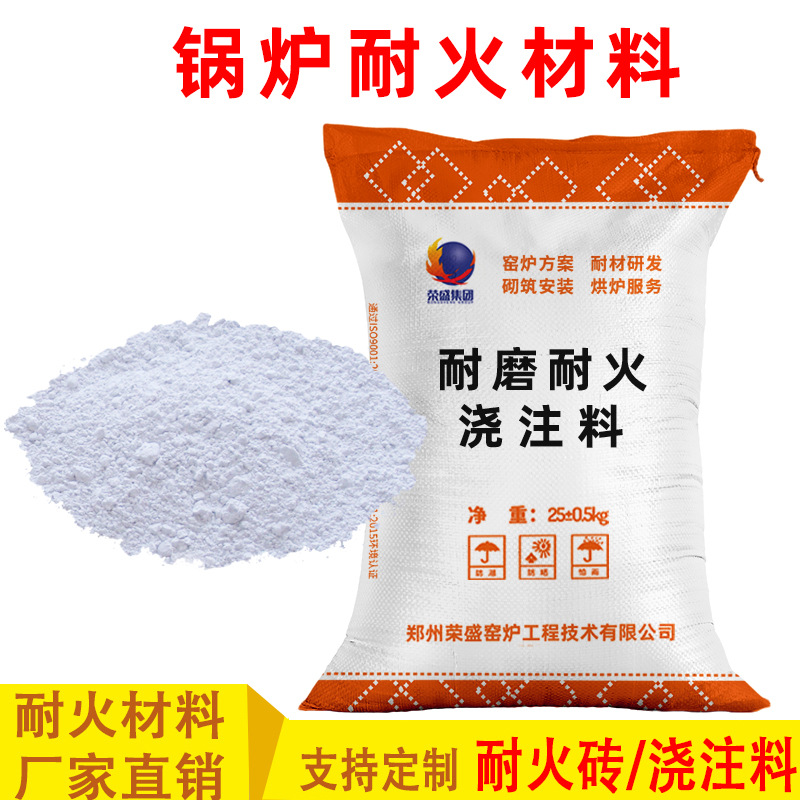
Mullite Castable
Featured

Mullite Castable

Mullite castable with mullite clinker or synthetic aggregate, Al₂O₃≥75%, 1650℃ max service. High refractoriness-under-load with excellent creep and thermal-shock resistance for long-term load-bearing at temperature.

Learn More →
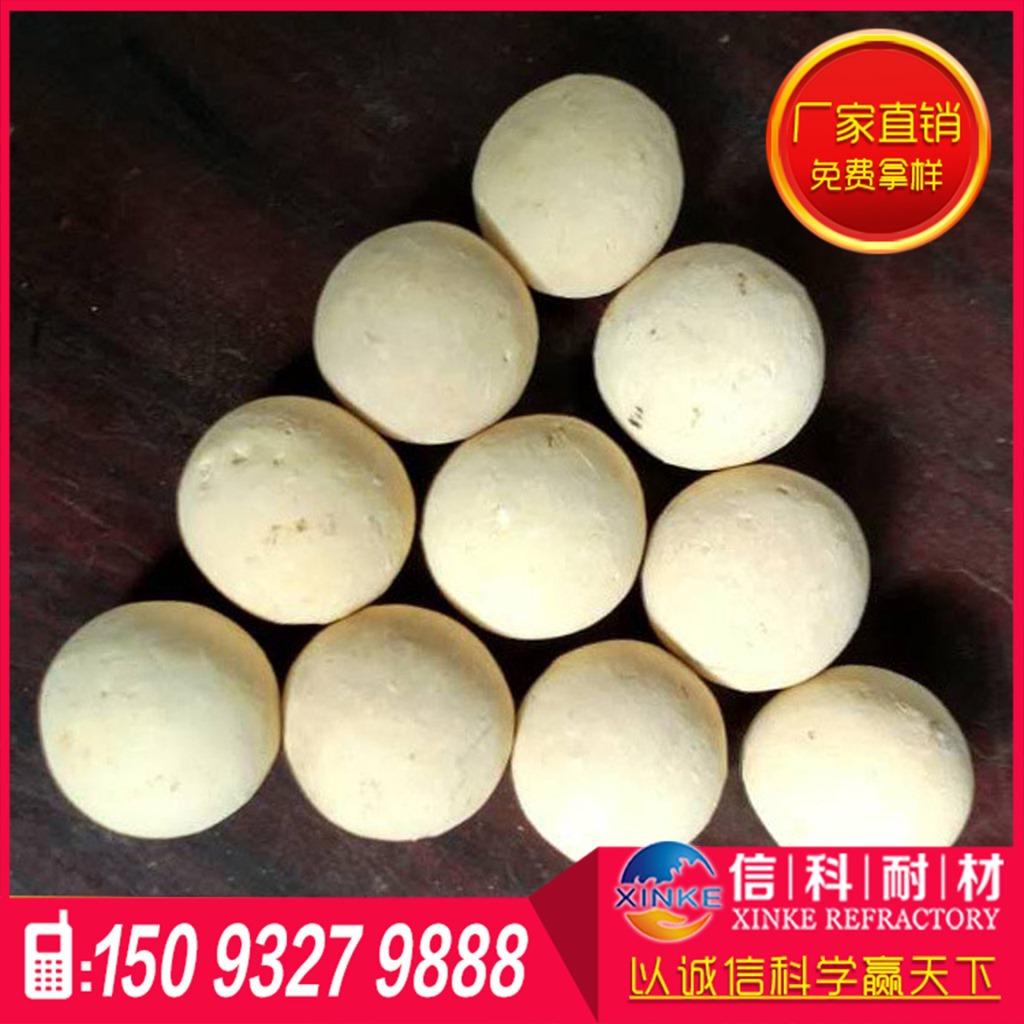

Andalusite Castable

Andalusite Castable

Andalusite castable exploits the micro-expansion of mullitization to offset shrinkage, giving long-term volume stability. Al₂O₃≥72%, 1650℃ max service, excellent thermal-shock and creep resistance.

Learn More →

More questions? Send us an inquiry

Contact Us

Contact
17513376789
WeChat QR codeWeChat · 17513376789