
Regenerator Lining Erosion

FCC Unit · Regenerator

Problem Details

Background

The regenerator of an FCC unit regenerates catalyst. Its lining long-term bears high temperature (650–750℃), high-velocity catalyst fluidization scouring and flue-gas corrosion. Catalyst wear is the main failure mode; severe wear exposes anchors, threatening safe operation.

Failure Mechanism

Catalyst scouring: catalyst circulates at high velocity in the regenerator, continuously abrading the wall lining. Anchor exposure: once wear passes the lining thickness, anchors are exposed, further destroying lining structure and accelerating wear. Thermal shock: start/stop and regeneration temperature swings shock the lining. Corrosion: sulfur/nitrogen oxides and catalyst dust impose combined chemical and abrasive attack.

Consequences

After lining wear and anchor exposure, vessel walls thin and overheat locally, with cracking and leakage risk; catalyst wear debris enters the system, hurting fluidization and product quality; forced shutdown shortens the unit's long-term operating cycle.

Solution

Material Selection and Parameters

Design the regenerator with a two-layer lining:

  • Insulation layer: lightweight insulating castable (bulk density ≤1.10 g/cm³) to lower wall temperature and heat loss;
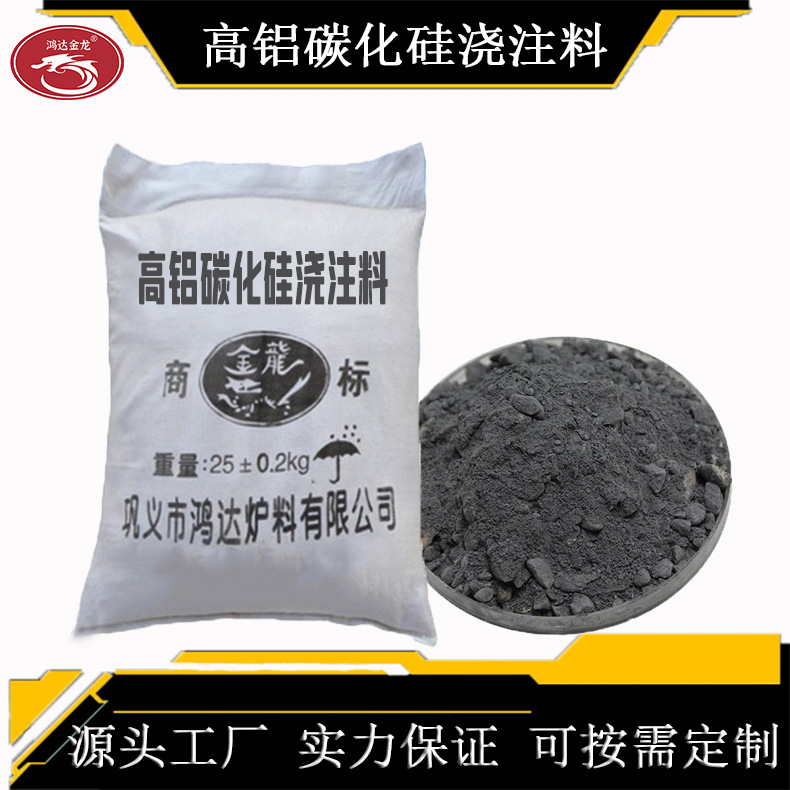
  • Wear layer: SiC or corundum wear castable (Al₂O₃≥80%) at 25–50mm thick against catalyst abrasion;
  • Anchors: hexmetal or studs fully welded and densified per design with firm insulation-wear interface bonding.

Installation Essentials

Layered placement: cast insulation first, then wear layer, with cleaned interfaces for bonding. Wear-layer work: strictly control water and vibrate fully for density. Anchors: weld fully and inspect weld quality. Bake-out: follow the curve to prevent wear-layer spalling.

Maintenance

Monitor regenerator wall temperature and lining condition; investigate on anomalies. At maintenance, measure wear-layer residual thickness and patch or replace zones beyond limits; record wear data to optimize thickness and grade.

Recommended Products

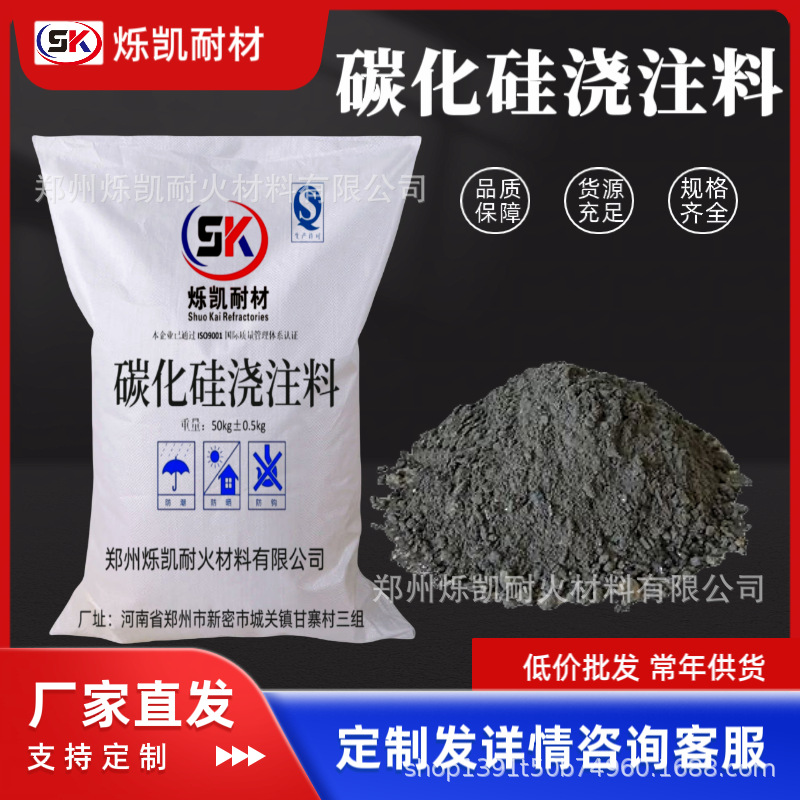
SiC Wear-Resistant Castable

SiC Wear-Resistant Castable

SiC wear-resistant castable with SiC≥50% aggregate offers extreme hardness and erosion resistance to 1600℃. High thermal conductivity promotes slag-coating self-protection. For CFB boiler cyclone barrels and cones, loop seals, copper flash furnace cones, launders and elbows under heavy wear.

Learn More →
Wear-Resistant Castable
Featured

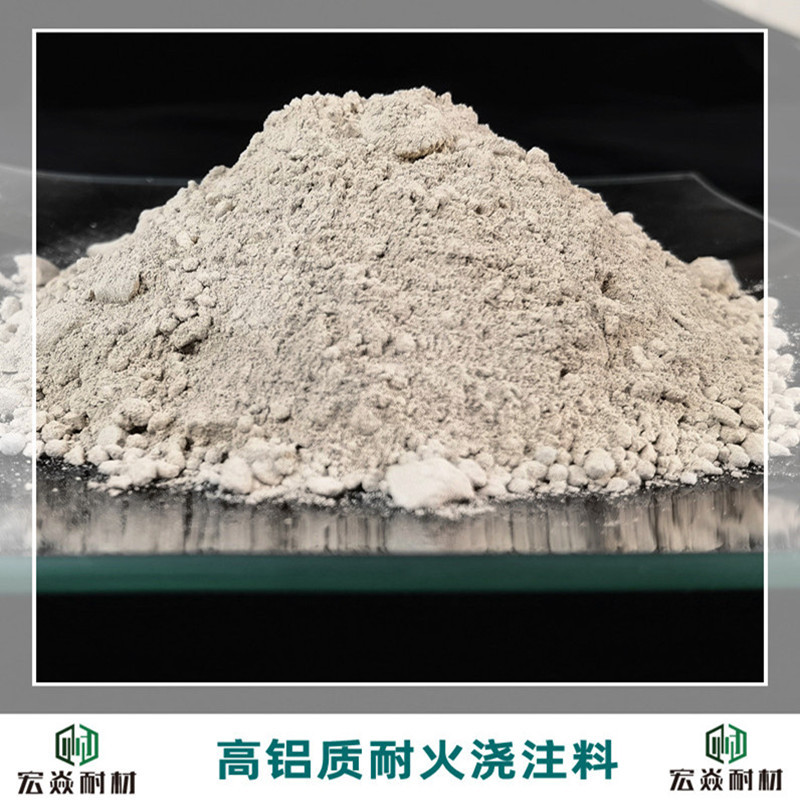
Wear-Resistant Castable

Wear-resistant castable with hard abrasion-resistant aggregate, Al₂O₃≥70%, 1500℃ max service and CCS≥90MPa. Dense matrix resists particulate erosion in gas-solid two-phase flow.

Learn More →
Brown Corundum Castable
Featured

Brown Corundum Castable

Brown corundum castable based on dense fused alumina with Al₂O₃≥85%, 1750℃ max service and CCS≥90MPa. High hardness, refractoriness and excellent slag resistance. Used in steel ladle working linings and slag lines, main iron runners, converter mouth areas and CFB boiler cyclone wear zones.

Learn More →

Other Problems of This Kiln

More questions? Send us an inquiry

Contact Us

Contact
17513376789
WeChat QR codeWeChat · 17513376789