
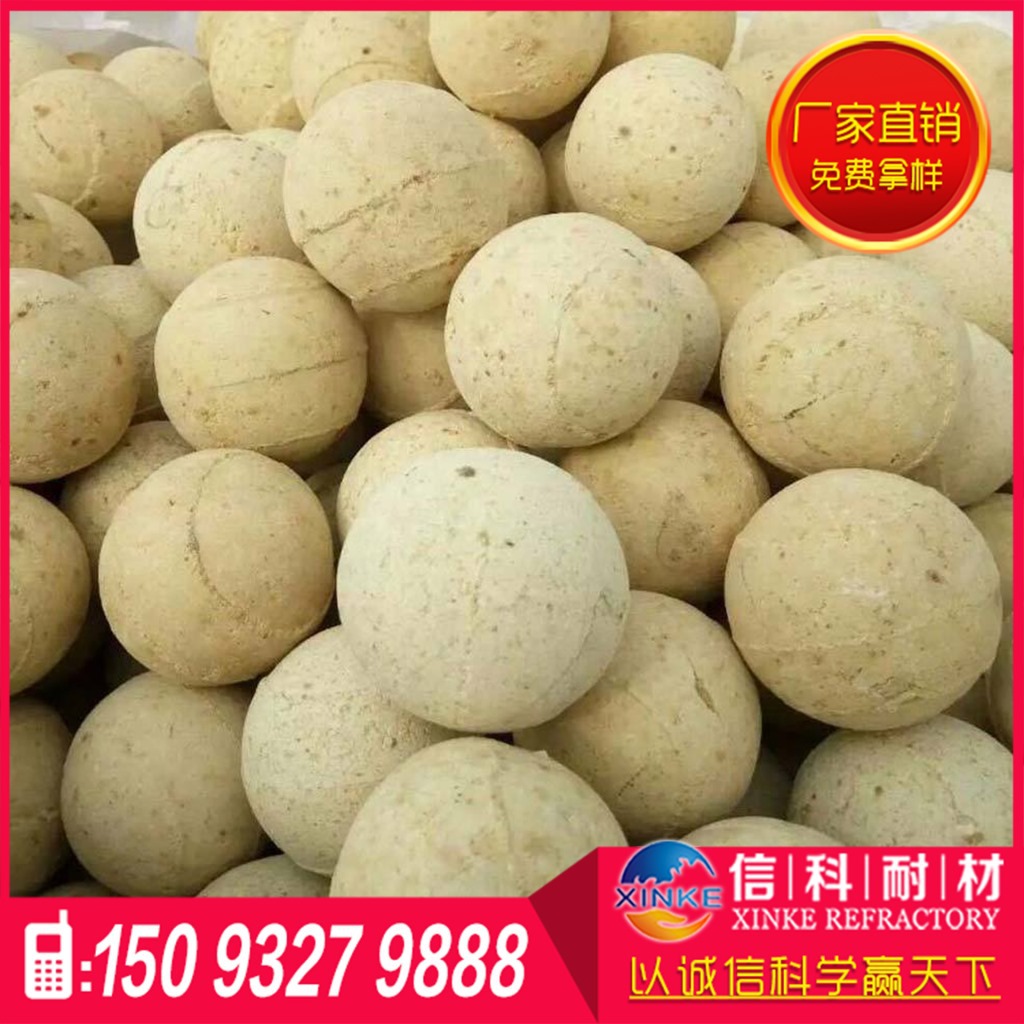
Corundum-Mullite Castable
Corundum-mullite castable combines the hot strength of corundum with the thermal-shock resistance of mullite. Al₂O₃≥80%, 1700℃ max service.
Learn More →Ethylene Cracking Furnace · Radiant Section
The radiant section of an ethylene cracking furnace is the core cracking zone. Furnace tube surfaces reach 1050–1150℃; the lining long-term bears high-temperature radiation, flue-gas scouring and severe thermal cycling from periodic decoking. Lining spalling and crack growth is the main failure mode.
High-temperature radiation and over-heating: radiant-section temperature is high; the lining runs hot long-term, over-firing and losing strength. Thermal shock: decoking (steam and air decoking) periodically swings furnace temperature sharply; thermal-shock stress cracks and spalls the lining. Gas scouring: high-velocity gas and combustion products scour the lining. Anchor failure: anchors oxidize and fail at high temperature; the lining loses restraint and spalls.
After radiant-section spalling, heat loss rises and furnace wall temperature increases, hurting cracking efficiency and tube life; severe spalling may drop lining onto tubes or plug flues, forcing shutdown and shortening the ethylene plant operating cycle.
Select radiant-section lining for "high-temperature resistance + thermal-shock resistance":
Formwork casting: cast large radiant-section areas continuously with joints away from stress concentration. Vibration: vibrate fully. Water control: follow the datasheet for hot performance. Bake-out: follow the heat-up curve strictly and complete dehydration before commissioning.
Control furnace temperature and decoking parameters, standardizing decoking heating/cooling rates to reduce thermal shock; inspect lining surface and wall temperature regularly. At maintenance, patch spalled zones, replace failed anchors and record lining life to optimize grade and practice.
Corundum-mullite castable combines the hot strength of corundum with the thermal-shock resistance of mullite. Al₂O₃≥80%, 1700℃ max service.
Learn More →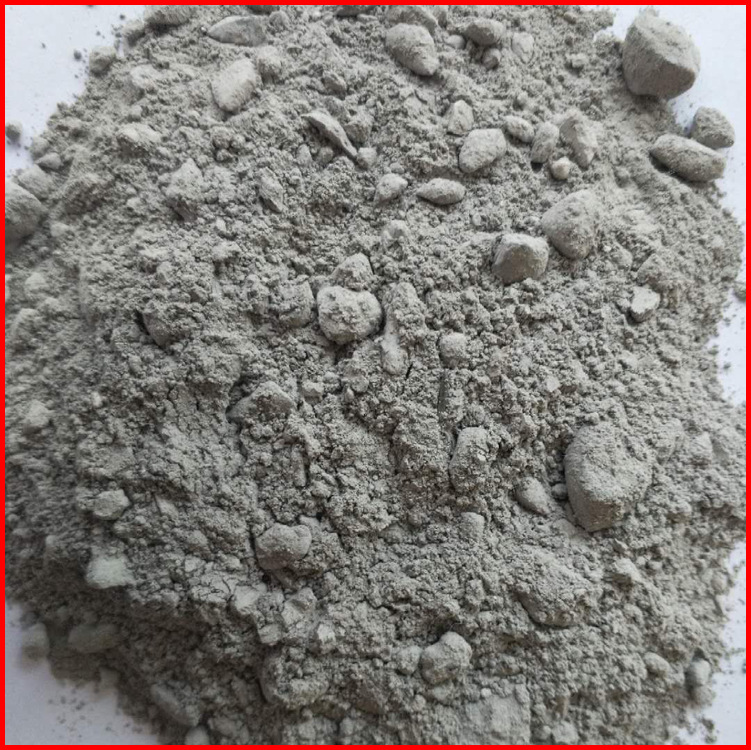
Low-cement high-alumina castable with CaO≤2.5% and Al₂O₃≥65% reaches 1650℃ service. Dense micro-powder grading lowers porosity and raises hot strength.
Learn More →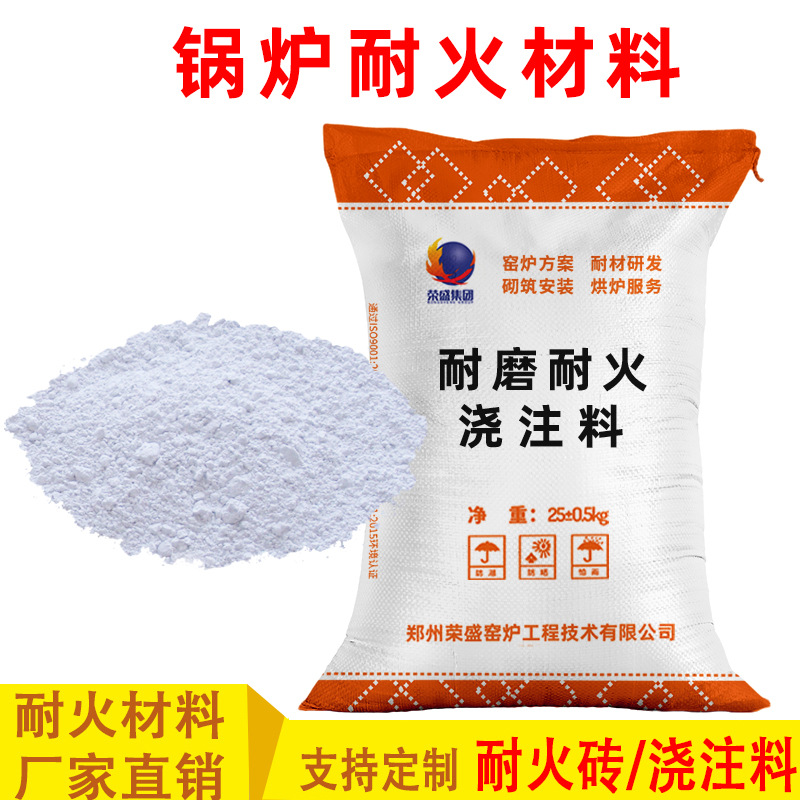
Mullite castable with mullite clinker or synthetic aggregate, Al₂O₃≥75%, 1650℃ max service. High refractoriness-under-load with excellent creep and thermal-shock resistance for long-term load-bearing at temperature.
Learn More →Contact Us
 WeChat · 17513376789