
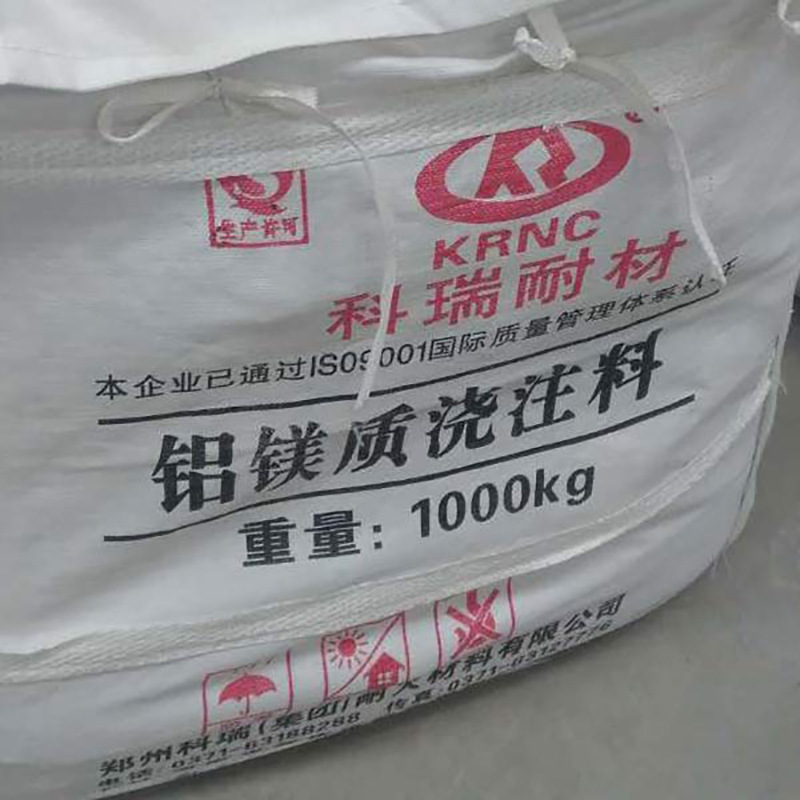
Alkali-Resistant Castable
Alkali-resistant castable engineered for alkali attack with low alkali-reactive aggregates forming a dense protective layer. Al₂O₃≥40%, 1350℃ max service, resisting alkali vapors and salts.
Learn More →Preheater & Precalciner · Precalciner Throat
The preheater/precalciner throat and cyclone cones are where alkali, chlorine and sulfur cycles enrich most. Volatile components released during raw-meal preheating condense in cooler zones and bond with raw-meal dust into build-up and blockages—a frequent process failure in dry-process cement kilns.
Alkali/chlorine/sulfur cycling: alkali, chlorine and sulfur volatilized in the kiln enter the preheater with waste gas and condense at cooler positions such as throats and cyclones, reacting with raw meal into low-melting bonding phases. Build-up formation: bonding phases adhere raw-meal dust layer by layer into dense build-up, shrinking or plugging gas passages. Blockage cascade: throat plugging hinders kiln ventilation and worsens kiln condition, further increasing volatile enrichment and build-up in a vicious cycle. Lining damage: cleaning operations and build-up detachment repeatedly tear the lining surface.
Throat plugging reduces kiln-system ventilation and output; frequent cleaning raises workload and safety risk; severe plugging forces kiln shutdown—one of the main causes of unscheduled cement kiln stops.
Select throat and cyclone lining for "build-up resistance + alkali resistance + wear resistance":
Monolithic placement: construct throat and cyclone linings monolithically with a smoothed surface for finish. Anchors: densified anchors so linings survive cleaning impacts. Bake-out: follow the curve for lining strength.
Optimize raw-meal composition and coal use to control the sulfur/alkali ratio and chlorine, reducing volatile enrichment; monitor throat differential pressure and start air cannons promptly on abnormal rise; at maintenance, check throat lining thickness and surface, patch thinned zones and evaluate build-up trends to adjust air-cannon layout.
Alkali-resistant castable engineered for alkali attack with low alkali-reactive aggregates forming a dense protective layer. Al₂O₃≥40%, 1350℃ max service, resisting alkali vapors and salts.
Learn More →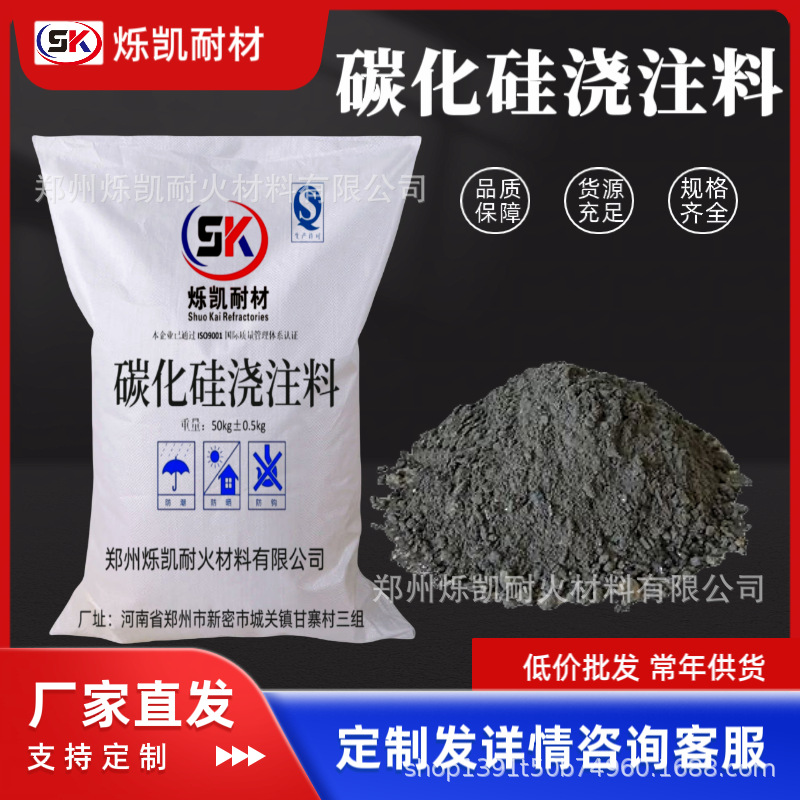
SiC wear-resistant castable with SiC≥50% aggregate offers extreme hardness and erosion resistance to 1600℃. High thermal conductivity promotes slag-coating self-protection. For CFB boiler cyclone barrels and cones, loop seals, copper flash furnace cones, launders and elbows under heavy wear.
Learn More →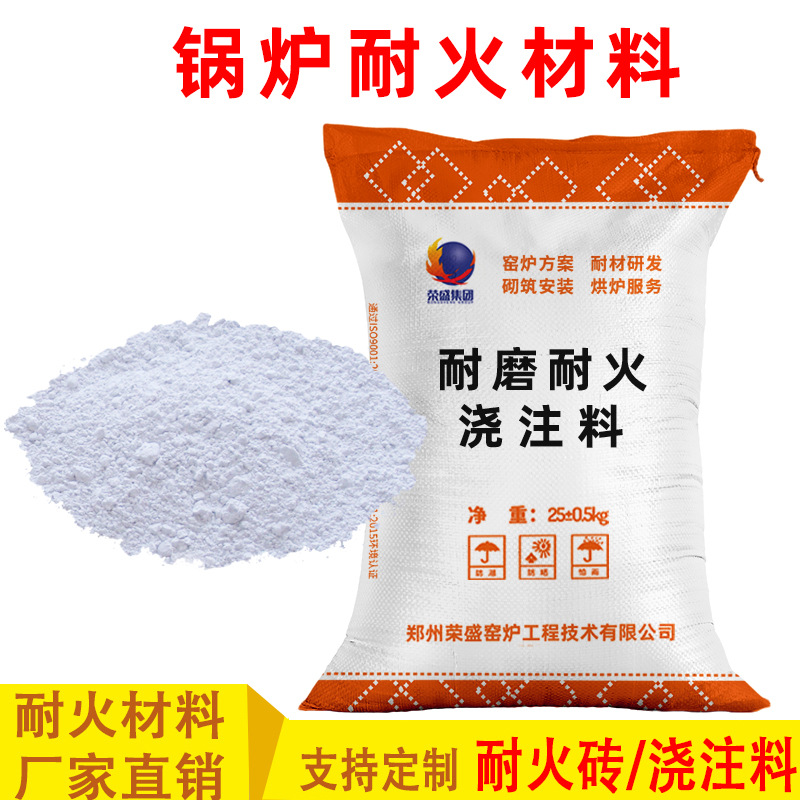
Mullite castable with mullite clinker or synthetic aggregate, Al₂O₃≥75%, 1650℃ max service. High refractoriness-under-load with excellent creep and thermal-shock resistance for long-term load-bearing at temperature.
Learn More →Contact Us
 WeChat · 17513376789