
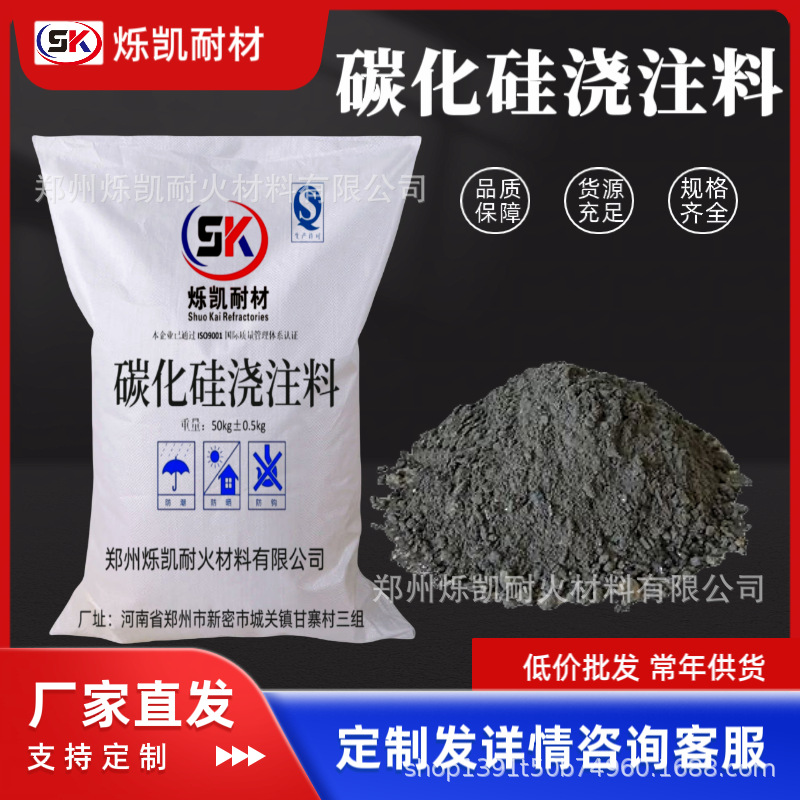
Hot End Castable Damage

Grate Cooler · Hot End

Problem Details

Background

The hot end of a grate cooler sits below the cement kiln outlet, directly receiving hot clinker (1350–1450℃) falling from the kiln, plus scouring by hot secondary and tertiary air. Falling-clinker impact combined with hot-gas abrasion makes this the most severely damaged zone of the cooler lining.

Failure Mechanism

Clinker impact: hot clinker falls from the kiln mouth onto the roof and side walls; mechanical impact crushes and detaches lining. Hot-gas abrasion: secondary/tertiary air carrying clinker dust flows at high velocity, abrading the lining. Thermal shock: kiln swings and shutdowns cause rapid temperature changes; thermal-shock stress cracks the castable. Anchor failure: anchors oxidize and loosen at high temperature; unrestrained lining detaches in blocks.

Consequences

After hot-end lining damage, the cooler shell overheats and deforms and cooling efficiency drops; fallen castable blocks may plug grate openings, hurting clinker cooling and conveying, forcing kiln shutdown for repair.

Solution

Material Selection and Parameters

Select the cooler hot end for "impact resistance + wear resistance":

  • Material system: steel-fiber reinforced wear-resistant castable (Al₂O₃≥70%, 2–3vol% fiber). Fibers provide random reinforcement for impact and spalling resistance while the wear matrix resists gas abrasion; use SiC wear castable (SiC≥50%) at the heaviest wear zones;
  • Anchors: densified embedded anchors with zonal density design for roof and walls, heat-resistant steel with ceramic caps;
  • Thickness design: thicken roof and wall impact zones with wear and impact allowance.

Installation Essentials

Zonal placement: cast roof and walls in continuous sections with construction joints away from stress concentration. Vibration: vibrate fully for tight anchor bonding. Water control: keep at the datasheet lower limit for wear strength. Bake-out: follow the curve to prevent early spalling.

Maintenance

Monitor cooler shell temperature and cooling air pressure; investigate on anomalies. At maintenance, check residual thickness of roof and wall impact zones and patch or replace zones beyond limits; record data to optimize thickening and grade selection.

Recommended Products

SiC Wear-Resistant Castable

SiC Wear-Resistant Castable

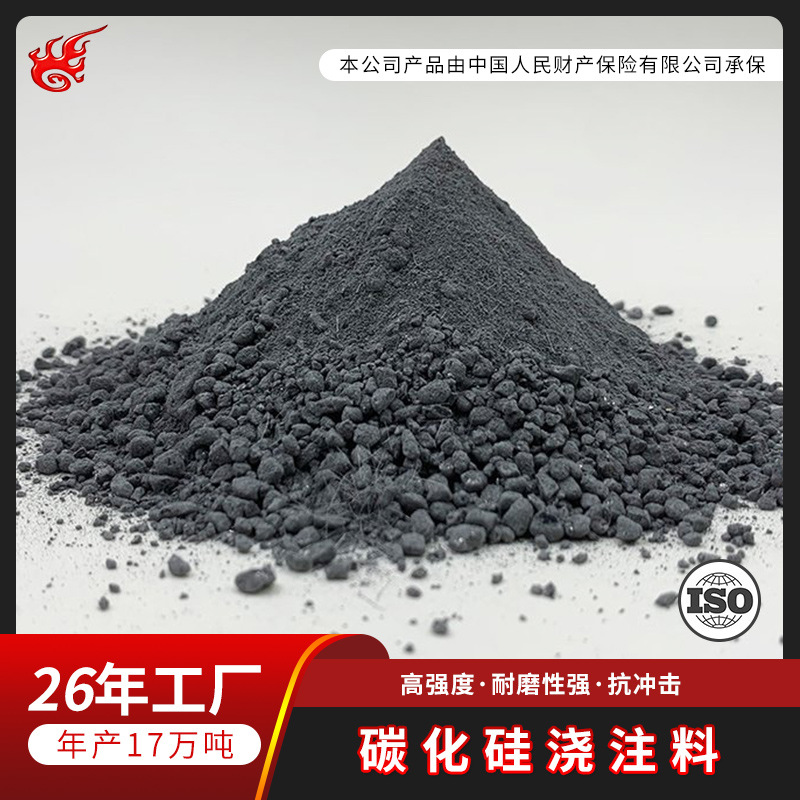
SiC wear-resistant castable with SiC≥50% aggregate offers extreme hardness and erosion resistance to 1600℃. High thermal conductivity promotes slag-coating self-protection. For CFB boiler cyclone barrels and cones, loop seals, copper flash furnace cones, launders and elbows under heavy wear.

Learn More →
Steel-Fiber Reinforced Castable

Steel-Fiber Reinforced Castable

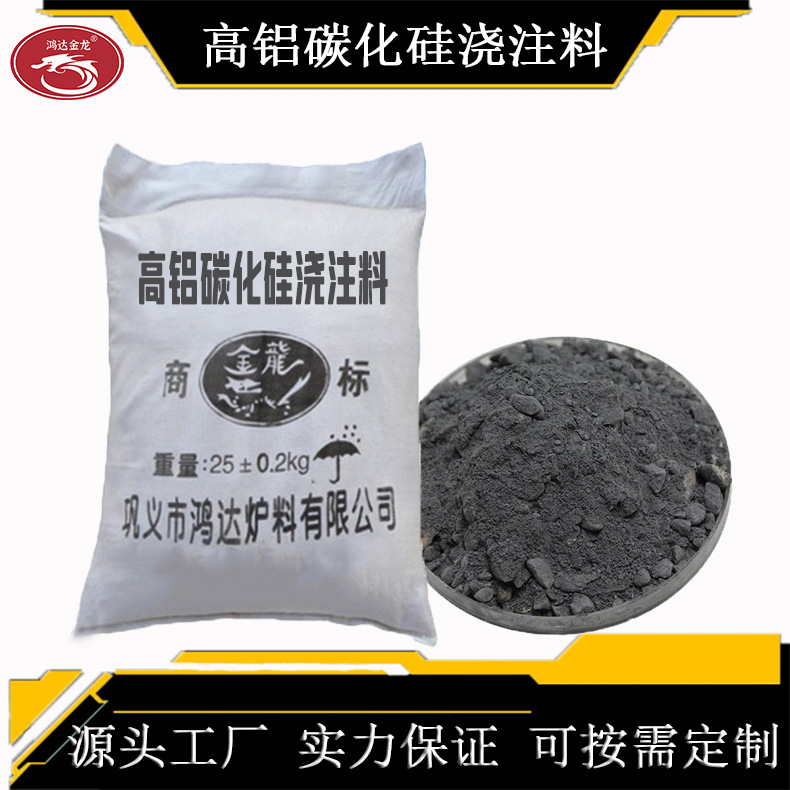
Steel-fiber reinforced castable with 2-3 vol% heat-resistant stainless fibers provides random reinforcement and toughening. Al₂O₃≥65%, 1400℃ max service, greatly improved flexural and thermal-shock spalling resistance.

Learn More →
Wear-Resistant Castable
Featured

Wear-Resistant Castable

Wear-resistant castable with hard abrasion-resistant aggregate, Al₂O₃≥70%, 1500℃ max service and CCS≥90MPa. Dense matrix resists particulate erosion in gas-solid two-phase flow.

Learn More →

Other Problems of This Kiln

More questions? Send us an inquiry

Contact Us

Contact
17513376789
WeChat QR codeWeChat · 17513376789