
钢包工作衬用什么浇注料?低水泥和超低水泥高铝浇注料怎么选?
钢包 ·
问题详情
钢包(盛钢桶)工作衬是炼钢车间更换最频繁的耐材部位之一。每次出钢,工作衬都要经受 1600℃ 钢水冲刷、渣线碱性渣侵蚀、包壁冷热交替和包底冲击。采购时问得最多的一个问题就是:钢包工作衬到底用什么浇注料?低水泥和超低水泥高铝浇注料怎么选?
#### 钢包工作衬的典型损坏方式
钢包工作衬的损毁不是均匀磨损,而是分部位、分机理的:
- 渣线区:钢渣碱度高、熔点低,对耐火材料以化学侵蚀为主,表现为渣线凹坑、剥落,是包衬寿命的短板;
- 包壁区:承受钢水静压和出钢/精炼过程的温度波动,以热震剥落和结构开裂为主;
- 包底区:承受钢水落下时的机械冲击和强湍流冲刷,以磨损和冲蚀为主;
- 包沿区:反复接触渣、受急冷急热,容易出现碎裂和结构疏松。
所以选浇注料之前,先要确定这一只包主要损毁在哪一区段——不同区段对材料的要求权重完全不同。
#### 低水泥与超低水泥高铝浇注料:差别在哪里
两者都属于高铝质不定形耐火材料,核心区别在结合剂体系和 CaO 含量:
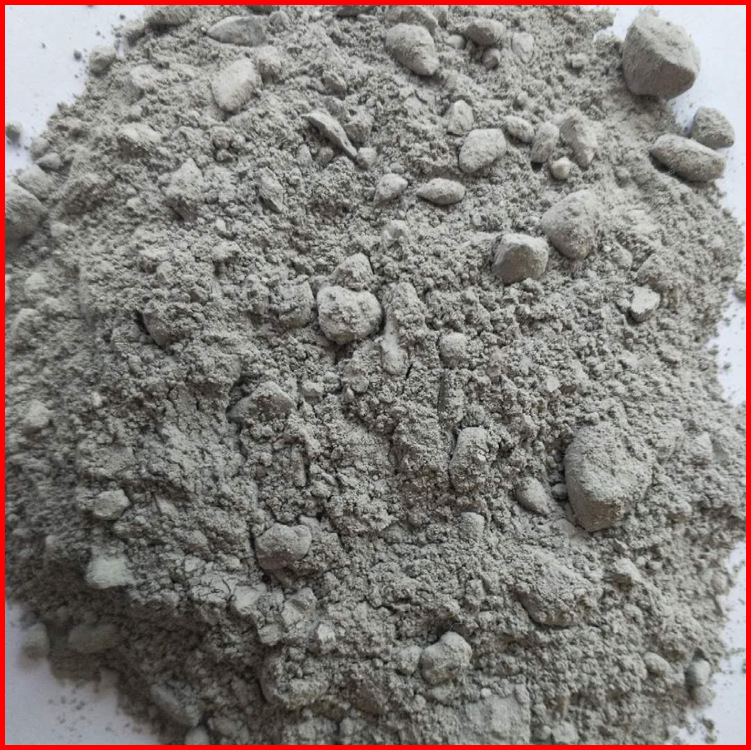
- 低水泥高铝浇注料(LCC):CaO 含量约 2.5%~5%,靠水泥水化结合获得中温强度,养护、烘烤要求常规,性价比高,适合包壁、包底等对热震要求中等、对强度要求明确的部位;
- 超低水泥高铝浇注料(ULCC):CaO 含量低于 2.5%,结合剂以超细粉和微粉体系为主,气孔率更低、高温强度更高、抗渣侵蚀性更强,烘烤升温更快,适合渣线、精炼钢包等苛刻工况。
一句话总结:追求综合性价比选低水泥,渣线重侵蚀、精炼频繁选超低水泥。对于多数普碳钢钢包,低水泥高铝浇注料就能满足 60~90 炉的使用寿命;对 LF 精炼、炉外精炼频繁的钢包,渣线区建议升级为超低水泥或更高档次的抗渣体系。
#### 按钢包工况怎么选:先分部位,再定牌号
| 工况特征 | 推荐方向 | 关注指标 |
|---|---|---|
| 普碳钢、周转次数中等 | 低水泥高铝浇注料 | Al₂O₃≥65%,体积密度≥2.7g/cm³ |
| 渣线重侵蚀、精炼频繁 | 超低水泥高铝浇注料 | Al₂O₃≥70%,抗折强度、抗渣等级 |
| 包底冲击磨损大 | 高强低水泥浇注料+钢纤维 | 耐压强度、抗冲击性 |
| 包沿、包壁热震频繁 | 抗热震型浇注料 | 热震稳定性(1100℃水冷次数) |
| 保温节能改造 | 工作衬下配轻质隔热浇注料 | 导热系数 |
解决方案
#### 施工和烘烤:浇注料寿命的隐形决定因素
同一牌号浇注料,施工质量不同寿命可以差 30%~50%。三个最容易出问题的地方:一是加水量的控制,超低水泥浇注料对加水量极其敏感,多 1% 水强度就明显下降;二是振动密实度,包底和死角区域容易出现不密实;三是烘烤曲线,钢包浇注料一般要求按 110℃、350℃、600℃ 阶梯升温,超低水泥料可以适当加快,但不能"一步到位",否则水汽排出不畅导致爆裂。
#### 怎么判断一个浇注料厂家靠谱
采购时除了比价,建议按下面几点考察厂家:
- 能否按你的钢包图纸和冶炼条件做定制配方,而不是只给通用牌号;
- 能否提供第三方理化指标检测报告(Al₂O₃、体积密度、耐压强度、线变化率);
- 是否有现场施工技术指导和售后回访机制;
- 是否提供预制件方案(包底、包沿做成预制块,可减少在线施工时间)。
#### 结论
钢包工作衬选浇注料,正确的顺序是:先判断主要损毁部位 → 再按钢种和精炼条件选结合剂体系(低水泥或超低水泥)→ 最后核对理化指标和施工保障。对多数钢厂,低水泥高铝浇注料是主力,渣线苛刻部位升级超低水泥;想进一步提升包龄,还可以在渣线用 Al₂O₃-SiC-C 系或镁质体系做局部强化。
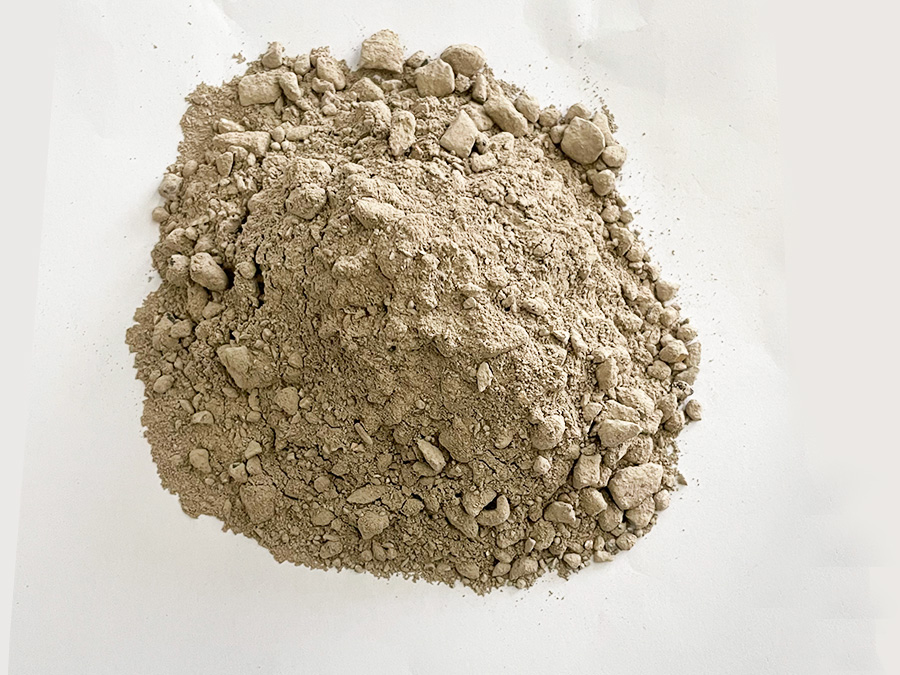
需要钢包工作衬浇注料方案,可参考河南嵩瑞的低水泥高铝浇注料与超低水泥浇注料,支持按包型定制配方与现场施工指导:
### English Content
The ladle working lining is one of the most frequently replaced refractory areas in a steel plant. Every heat, the lining faces 1,600°C steel wash, basic slag attack at the slag line, thermal cycling on the sidewall and mechanical impact at the bottom. The most common purchasing question is: what castable should I use for the ladle working lining, and how do I choose between low-cement and ultra-low-cement high alumina castables?
#### How the ladle working lining fails
- Slag line: basic slag chemically attacks the refractory, causing grooves and spalling — usually the life-limiting zone;
- Sidewall: steel static pressure plus temperature fluctuation during tapping and refining cause thermal-shock spalling and structural cracking;
- Bottom: mechanical impact and strong turbulence from the falling steel stream cause erosion and wear;
- Rim: repeated slag contact and rapid temperature change lead to cracking and friable structure.
So decide which zone fails first on your ladle — each zone weighs material properties differently.
#### Low-cement vs ultra-low-cement high alumina castables
Both are high-alumina monolithic refractories; the key difference is the binder system and CaO content:
- Low-cement castable (LCC): CaO ≈ 2.5–5%, cement hydration bonding, conventional curing and dry-out, good value. Suitable for sidewall and bottom where moderate thermal shock and clear strength are needed;
- Ultra-low-cement castable (ULCC): CaO < 2.5%, micro-silica and ultrafine powder bonding, lower porosity, higher hot strength, better slag resistance, faster dry-out. Suitable for slag line and refining ladles.
In one sentence: choose LCC for general cost-performance; upgrade to ULCC for severe slag attack and frequent refining.
#### Selection by zone and condition
| Condition | Direction | Key indicators |
|---|---|---|
| Plain carbon steel, moderate turnover | LCC high alumina castable | Al₂O₃ ≥65%, bulk density ≥2.7 g/cm³ |
| Severe slag attack, frequent refining | ULCC high alumina castable | Al₂O₃ ≥70%, high hot MOR |
| Heavy bottom impact | High-strength LCC + steel fiber | CCS, impact resistance |
| Frequent thermal shock on wall/rim | Thermal-shock resistant castable | Thermal shock stability |
| Energy-saving retrofit | Lightweight insulating castable as backing | Thermal conductivity |
#### Installation and dry-out decide real life
The same grade can differ 30–50% in service life depending on installation: control water addition (ULCC is very sensitive — +1% water clearly lowers strength), ensure full vibration densification at bottom corners, and follow a stepped dry-out curve (110°C → 350°C → 600°C). Do not "one-step" the heating or steam will burst the lining.
#### How to vet a castable supplier
- Custom formulation for your ladle drawings and steel grades, not just standard grades;
- Third-party test reports (Al₂O₃, bulk density, CCS, linear change);
- On-site installation guidance and after-sales follow-up;
- Precast block options (bottom, rim) to cut on-site time.
#### Conclusion
Select in this order: identify the main failing zone → choose the binder system by steel grade and refining condition (LCC or ULCC) → check physical/chemical indicators and installation support. For most plants LCC is the workhorse; upgrade the slag line to ULCC; for longer campaign life consider Al₂O₃-SiC-C or magnesia systems at the slag line.
Recommended products from Henan Songrui New Refractory Materials Co., Ltd., with custom formulations and on-site guidance:
- Low-cement high alumina castable
- Ultra-low-cement castable
- Lightweight high alumina insulating castable
推荐产品
更多问题?欢迎在线留言咨询
联系我们
 客服微信 · 17513376789